
Knowing how to cover gray hair starts with diagnosis. The best way to cover gray hair, especially resistant gray, is not simply to use a stronger developer. Identify the failure, choose full coverage or gray blending, and follow one professional color system. Results depend on the coverage series, approved formula, fine sections, saturation, and manufacturer’s directions.
This matters most around the hairline, temples, and parting, where a few visible grays can make the service look unfinished.
What Is Resistant Gray Hair?
Resistant gray hair takes or retains color less readily than the surrounding hair. It may look translucent after rinsing, remain visible at the temples, or lose coverage sooner.
“Resistant” describes the result, not necessarily the cause. Color type, formula, sectioning, saturation, processing, and color history can produce the same outcome. Gray varies by client and zone. Natural gray may look light, but it is not pre-lightened, porous hair; deposit and coverage still depend on the fiber and color system.
Diagnose What “The Gray Came Back” Means
Before changing the formula, establish when and where the gray became visible.
| What you see | What it may mean | Check first |
|---|---|---|
| Gray is visible as soon as the hair is dry | Initial coverage failure | Color system, coverage shades, formula directions, sectioning, and saturation |
| Full gray strands reappear after the first washes | Premature washout | Initial result, retention, hair condition, application, and aftercare |
| Previously colored hair gradually loses depth or tone | Fading | Shade choice, product-system fit, cleansing, and service history |
| Only a narrow white line appears at the scalp | Normal regrowth | Maintenance timing and contrast—not a stronger formula |
Check whether the problem affects all regrowth or only the hairline, temples, sideburns, or parting. A localized miss does not justify a stronger whole-head formula.
Choose the Goal Before the Formula
Opaque coverage is not the right goal for every client.
| Goal | Expected result | Maintenance effect |
|---|---|---|
| Full gray coverage | More opaque, even coverage | A clearer regrowth line |
| Gray blending | Gray remains but the contrast is softened | A gentler grow-out |
| Highlights or lowlights | Gray is integrated through dimension | Not the same as full coverage |
| Gradual transition | Moves away from repeated full coverage | Requires staged expectations |
There is no universal best color to cover gray hair. The best hair color to cover gray is the system that fits the desired opacity, gray percentage, starting hair color level, target tone, and maintenance plan.
How to Cover Resistant Gray Hair: A Professional Workflow
For how to cover very resistant gray hair, follow the same sequence: identify the result, define the goal, and change only an evidence-supported variable.
1. Map the gray and the color history
Record the gray percentage at the hairline, temples, parting, and crown. Note the starting level, target, virgin regrowth, colored lengths, and problem areas. If an old formula stops working, reassess the client before blaming the product.
2. Select a color system that matches the goal
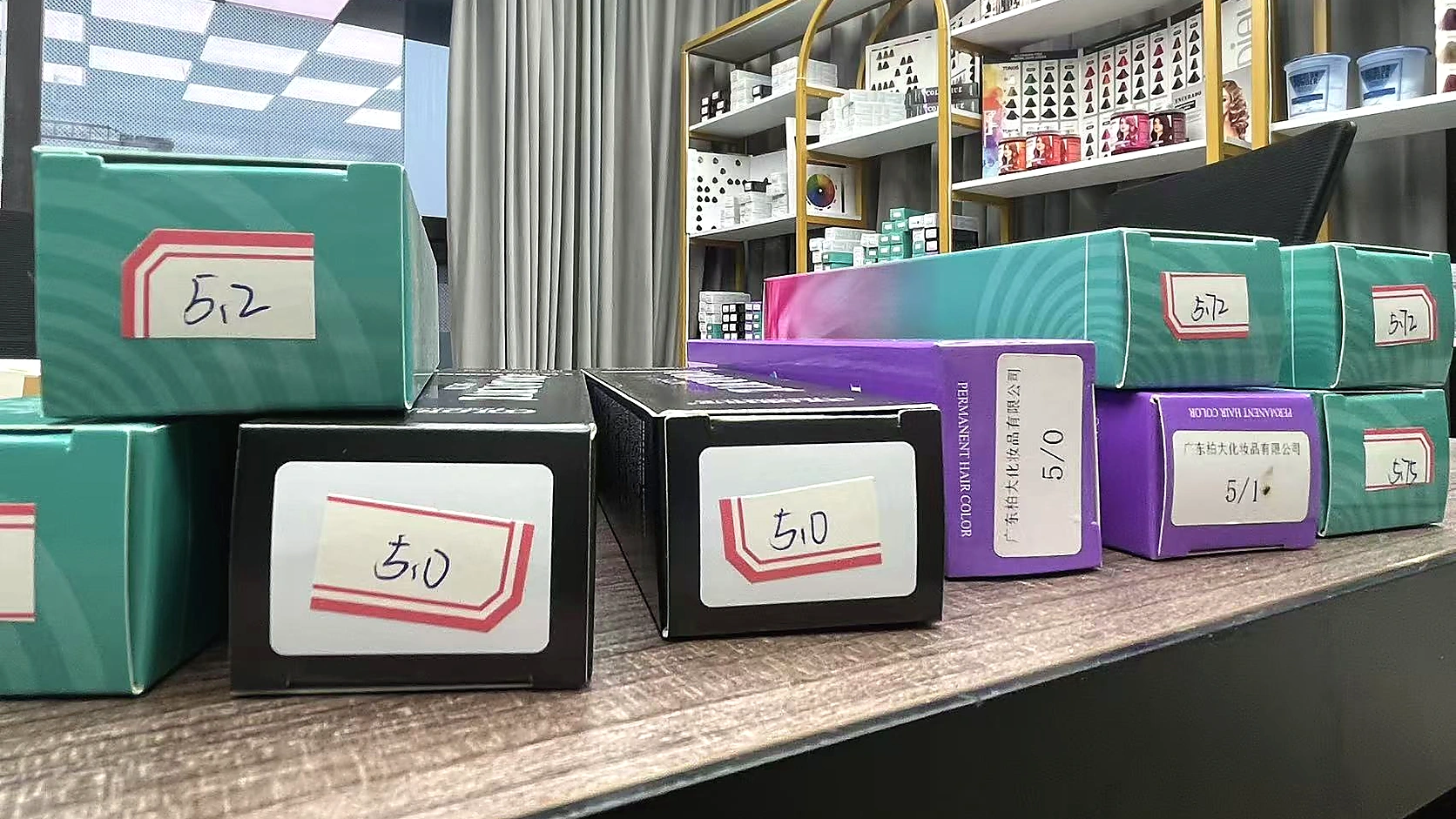
Confirm that the line supports coverage or blending, includes natural/neutral shades, and addresses different gray percentages. Developer compatibility, clear directions, and technical support matter more than a “best brand” label.
Professionals can review BODA’s professional hair color range and request its shade chart and directions before evaluating gray coverage.
3. Formulate within that system
Natural or neutral support, mixing ratio, developer, and processing time vary by line. The Wella Color Charm Education Book and Framesi Technical Manual provide different instructions that should not be combined into a universal formula.
Complete a product-directed hair color strand test when the product, shade, or service plan changes, or when the hair history is uncertain.
4. Plan around the resistant zones
Plan application order around the brand’s processing window. Give the most resistant or highest-gray area consistent product contact. Treat virgin regrowth and colored lengths separately; repeatedly pulling root color through the lengths can cause buildup or excessive depth.
5. Use fine sections and complete saturation
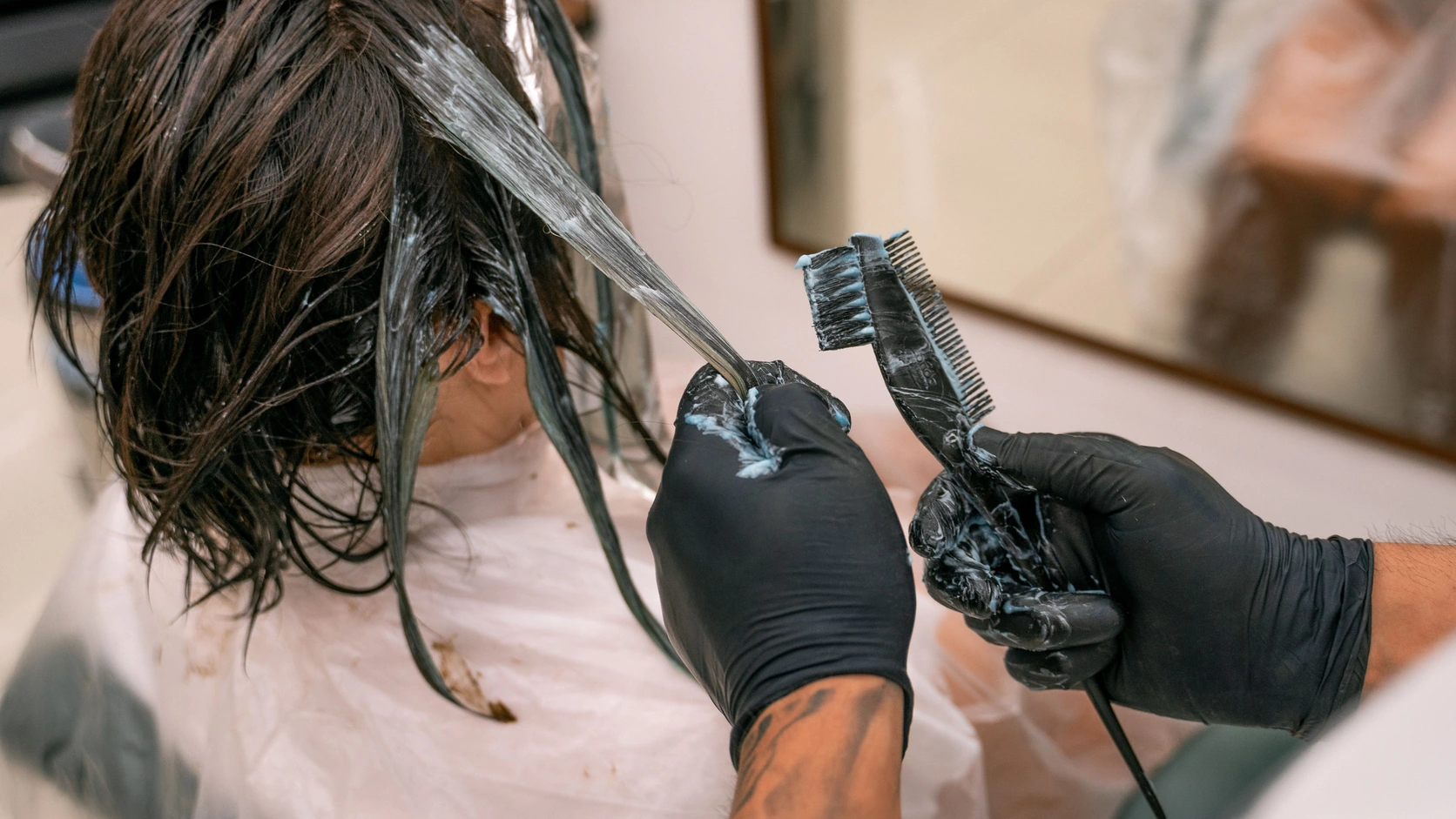
Take sections fine enough to reach every target hair. Check both sides and short or outward-growing hairs around the face. Keep contact even, but do not treat foil, heat, caps, or double application as universal requirements.
6. Process, rinse, dry, and review
Follow the specified processing time, and use heat only when the technical guide allows it. After rinsing and drying, check the hairline, temples, parting, depth, tone, evenness, and condition.
The FDA advises following package directions, wearing gloves, performing the product’s skin patch test each time, and not exceeding the instructed time. Skin and strand tests serve different purposes and cannot replace each other. (FDA hair dye guidance)
How to Cover Resistant Gray Hair at the Temples and Hairline
The hairline can differ from the crown in gray percentage, texture, and growth direction. Short hairs may lift away from color, while edge product can move, dry, or be wiped off. On dark hair, missed strands are easy to see.
Identify the result, compare the zone with the rest of the head, then review the system, application order, section size, and saturation. Do not strengthen the entire formula for a localized problem.
Troubleshooting Resistant Gray Coverage
| Result | Check first | Avoid assuming |
|---|---|---|
| Most roots remain translucent | Color type, coverage series, gray percentage, and formula directions | A darker shade alone will fix it |
| Only temples remain visible | Order, fine sections, saturation, and local hair condition | The whole head needs stronger developer |
| Whole gray strands show after washing | Dry result records, retention, application, and aftercare | It is definitely new growth |
| A white line appears only at the scalp | Time since service and regrowth pattern | Permanent color washed off |
| Roots look good but lengths are too dark | Overlap and previous color buildup | Longer full-head processing is needed |
| Tone is wrong despite good coverage | Starting level and system-specific shade support | Adding neutral without recalculation is safe |
Change one justified variable at a time and document the result. If the hair cannot tolerate stronger processing, stop and request product-specific guidance.
Coverage, Fading, and Regrowth Need Different Maintenance
Permanent color changes existing hair; it cannot prevent new gray growth. Dark, opaque coverage can make white regrowth more noticeable. Gray blending or dimensional color creates a softer transition, but neither equals 100% coverage.
Record whether the complaint concerns the dry result, first wash, later fading, or regrowth. This helps the next service address the right variable. Keep these fields: zone, gray percentage, system and formula, application notes, dry result, follow-up result, and next decision.
Frequently Asked Questions
What should be done if gray hair resists coloring?
When a client asks, “Why won't my gray hair take color?” first determine whether it is an initial miss, washout, fading, or regrowth. Then review the goal, color system, approved formula, sectioning, saturation, and processing directions.
What is the best professional hair color to cover gray?
Look for documented coverage, suitable shades, a compatible developer, gray-percentage guidance, and technical support. No single system is best for every client.
Does stronger developer cover resistant gray hair better?
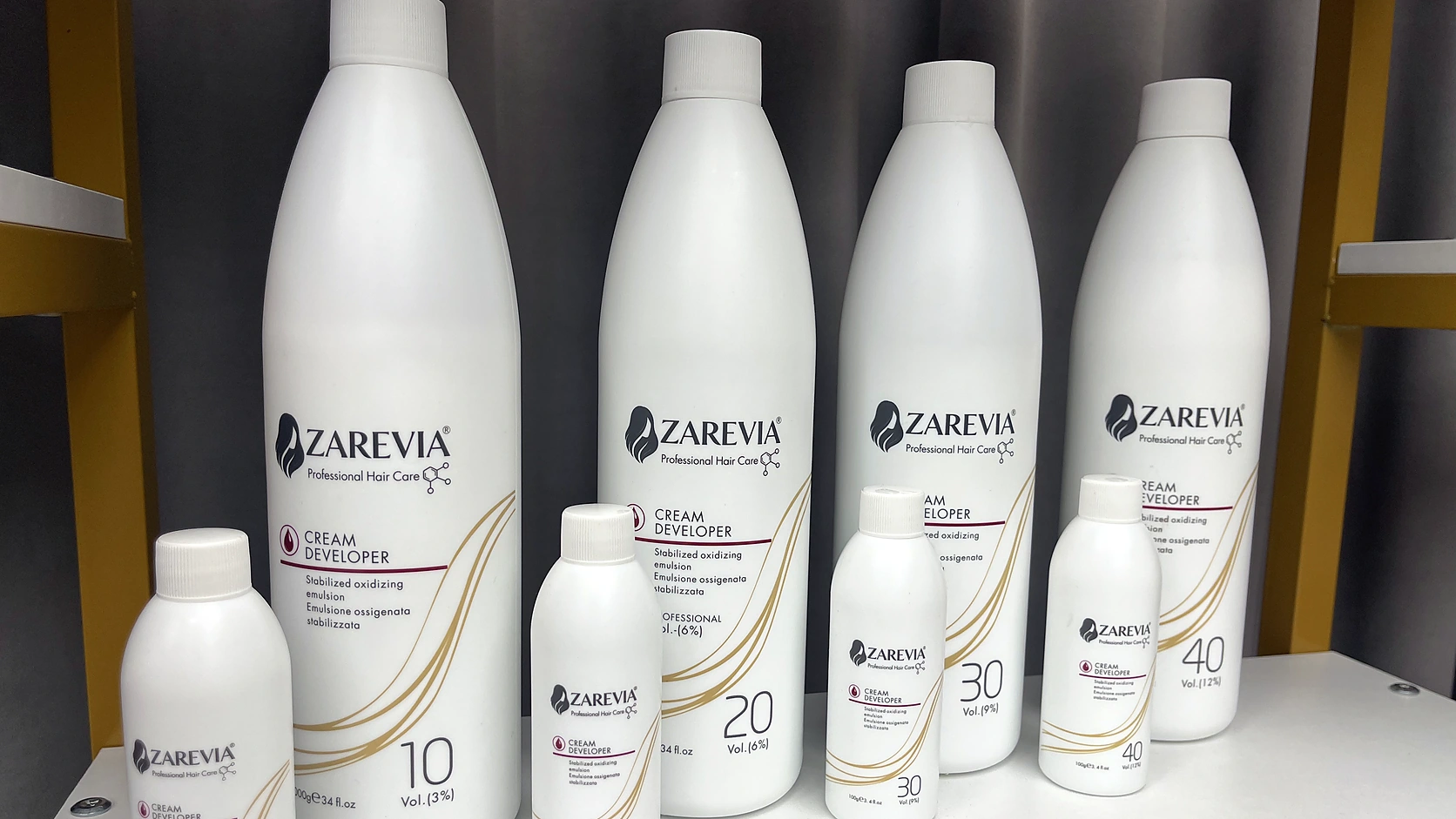
No. Developer affects lift, deposit, tone, and hair condition differently across systems. Use only the strength approved for the line and formula.
Does resistant gray hair always need pre-softening?
No. Pre-softening is a system-specific option for defined situations. Check the color type, formula, sectioning, saturation, and processing first.
Can gray hair be covered without permanent color?
Demi-permanent blending, highlights, and other professional services can reduce contrast, but their opacity and maintenance differ from full permanent coverage.
How can gray hair be covered without damage?
No chemical color service can guarantee zero damage. Manage the risk through consultation, strand testing, product directions, limited overlap, and a clear stop point.
Adjust the Right Variable
Successful resistant-gray coverage starts with diagnosis, not force. Establish how the gray returned, agree on coverage or blending, select one documented system, and control application in resistant zones. Review the dry result, then adjust only the evidence-supported variable.
To evaluate a professional gray-coverage line, contact BODA with your market, shade range, coverage goal, developer system, packaging, and volume. Request the shade chart, directions, and available test documentation before assessing fit.