Hair color levels describe depth—how dark or light the hair looks. The common hair color level system runs from level 1 black to level 10 lightest blonde, although some manufacturers extend the scale to level 12. Ash, gold, copper, and neutral refer to tone rather than level.
In practice, hair rarely matches a single clean swatch. Natural roots, colored mid-lengths, and porous ends can sit at different levels. Assess each area separately, then confirm the result against the shade chart for the line you plan to use.
Hair Color Levels 1–10 Chart
| Level | Common depth name | What it generally looks like | Common/approximate warmth exposed during lift |
|---|---|---|---|
| 1 | Black | The deepest depth | Deep red family |
| 2 | Darkest brown | May read black indoors | Deep red family |
| 3 | Dark brown | Clearly brown, but still very deep | Red family |
| 4 | Medium brown | Mid-depth brown | Red to red-orange |
| 5 | Light brown | A visibly lighter brown | Red-orange |
| 6 | Dark blonde | Often called light brown in everyday language | Orange |
| 7 | Medium blonde | A darker or medium blonde | Orange to yellow-orange |
| 8 | Light blonde | Clearly blonde | Yellow-orange to yellow |
| 9 | Very light blonde | Pale blonde | Yellow |
| 10 | Lightest blonde | The palest blonde or platinum range | Pale yellow |
Higher numbers indicate lighter hair. This hair color levels chart is a general reference, not a universal product standard. Brands may name levels 5–7 differently or extend their high-lift shades to 11 or 12. Their underlying-pigment charts may also divide the red, orange, and yellow stages in different ways.
How to Determine Your Hair Color Level
1. Check dry hair in indirect daylight
Assess dry hair near a window or outdoors in open shade. Wet hair looks darker, while warm bulbs, direct sunlight, filters, and phone exposure can distort the result. First decide how dark or light the section is. Ignore gold, ash, copper, or red until you have estimated its depth.
2. Assess roots, mid-lengths, and ends separately
When comparing natural hair color levels, begin with the first inch of new growth. Treat colored, lightened, highlighted, or faded mid-lengths and ends as a separate canvas. Professional colour-assessment guidance likewise recommends checking from the root along the strand and assessing areas with different levels individually. Porous ends may also absorb color differently.
A practical assessment might read:
Roots: level 6; mid-lengths: level 7; ends: level 8–9.
With highlights, gray hair, banding, or uneven lightening, a range is often more accurate than a single number.
3. Compare depth before tone
If tone makes comparison difficult, convert both the hair photo and reference chart to black and white. This makes depth easier to judge, but it cannot correct poor lighting, exposure, or differences between a screen and a physical swatch.
4. Confirm within the product line
Check the result against the physical swatch book for the product line being used. For a major change, a complex color history, or uncertain hair condition, use a strand test and seek a professional assessment.
Hair Color Level 6 vs 7 vs 8
Levels 6–8 sit around the boundary between brown hair color levels and blonde hair levels. This is where professional terminology and everyday descriptions often differ.
| Level | Relative depth | Common professional name | Why it may be misread |
|---|---|---|---|
| 6 | Darkest of the three | Dark blonde | Often described as light brown outside professional color systems |
| 7 | One level lighter than 6 | Medium blonde | A muted or warm level 7 may still look brown to some people |
| 8 | Lightest of the three | Light blonde | Strong gold or orange warmth can make it appear deeper |
Level 6 is darker than 7, while level 7 is darker than 8. Tone can make hair look brighter, more muted, warmer, or cooler, but it does not change the level itself. If a section falls between swatches, record it as 6–7 or 7–8 and verify the range against the brand chart.
Level vs Tone vs Underlying Pigment
These terms refer to different aspects of a color result:
- Level means depth. Level 7 tells you how light or dark a shade is.
- Tone is the visible color direction at that depth. A level 7 shade may be neutral, ash, gold, copper, or another tone.
- Underlying pigment is the warmth exposed as natural pigment is lightened. As the hair becomes lighter, it generally progresses through red, orange, yellow, and pale yellow.
For example, 7N, 7A, and 7G may all be level 7 shades in the same product line, but they can appear neutral, ash, and gold. When darker hair is lifted toward level 7, visible orange or yellow-orange warmth can affect the result. Choose the target tone with both that exposed warmth and the specific brand system in mind.
Hair Color Numbers Meaning: How to Read a Shade Number
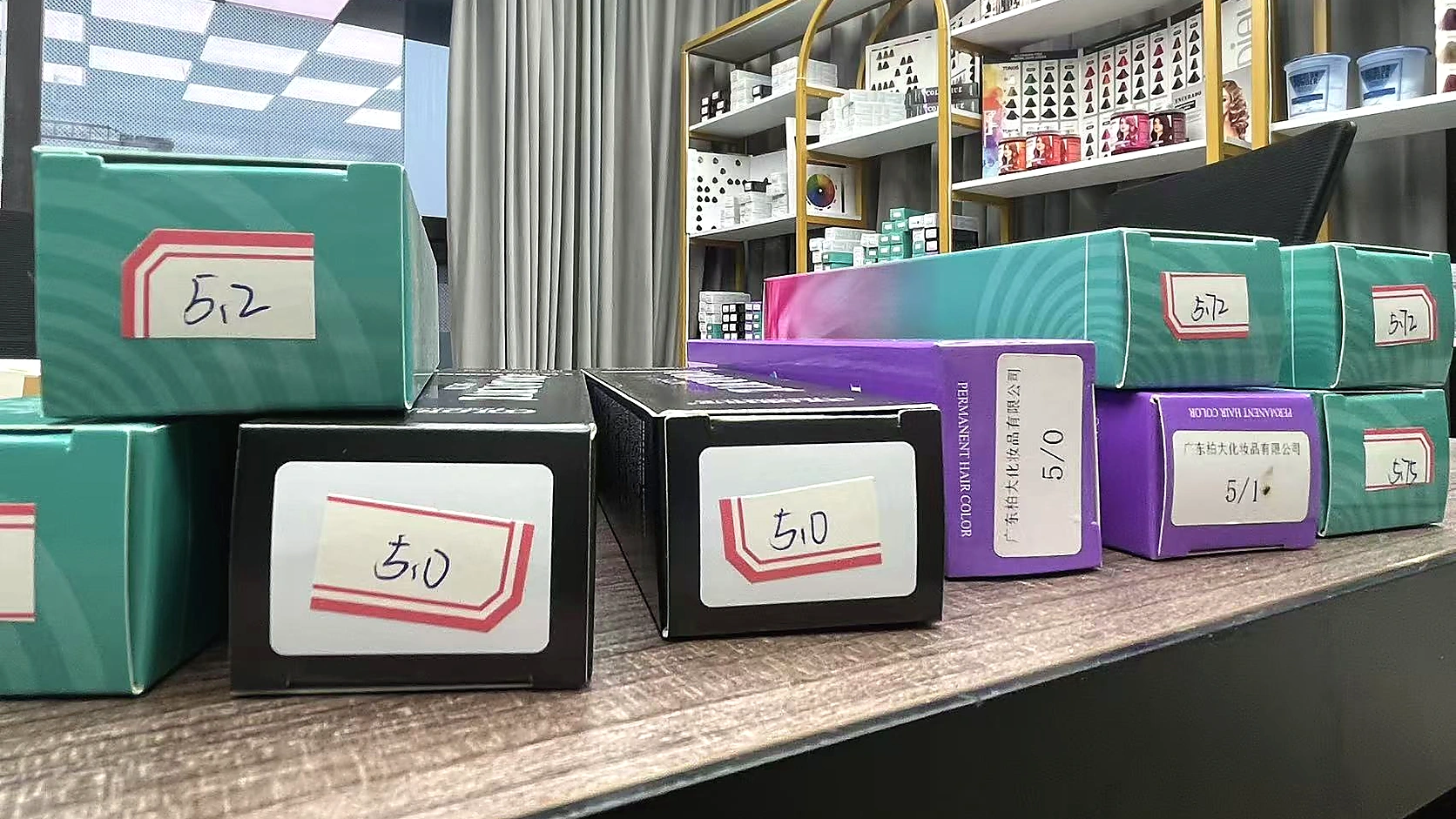
The first number usually identifies depth. The letter or number that follows identifies the tone or reflect, but the format varies by brand.
| Example | What you can usually read safely | What you still need to check |
|---|---|---|
7N |
7 indicates level 7; N often means natural or neutral |
How that brand defines N and whether it also uses an NN series |
7.1 |
7 indicates level 7; 1 is a tone code in a decimal system |
Whether 1 means ash, blue, cendre, or another cool direction in that line |
7/1 |
7 indicates level 7; the number after the slash is a tone code |
The brand’s slash system and the meaning of tone code 1 |
Do not assume that 7N, 7.1, and 7/1 are interchangeable shades. Level is easier to interpret across brands, while letters, decimals, slashes, and secondary numbers require the manufacturer’s key. When a code has two tone markers, the first often indicates the dominant tone, but the brand chart remains the final reference.
Starting Hair Level vs Target Hair Level
The starting level describes the current canvas, while the target level describes the desired depth. The difference between them is the level gap, but that gap alone does not determine the process.
Use this sequence:
Identify each starting level → define the target level and tone → compare the level gap → decide whether the change mainly requires lift or deposit → account for previous color and exposed warmth → verify the process within the chosen color system.
Natural roots and colored lengths may need different plans. Applying a lighter dye over artificial color does not reliably produce the lift possible on untreated hair. Porosity, previous lightening, hair condition, and product category also affect the outcome.
Toner mainly adjusts tone after the hair has reached a suitable depth; it cannot turn a dark level into a much lighter one. Purple shampoo can help maintain some blonde results, but it is neither a lightener nor a universal toner.
Why Hair Color Level Charts Can Look Different
Professional systems generally run from darker low numbers to lighter high numbers, but the details vary. A brand may call level 6 dark blonde while a customer sees light brown. Product lines may also use letters, decimals, or slashes in different ways.
Use a general chart to estimate depth, then consult the selected brand’s swatch book and technical guide for the actual shade. A familiar number does not mean that two brands will produce the same result.
What a Hair Level Can—and Cannot—Tell You
Knowing the level helps you:
- describe current depth;
- compare natural roots with colored lengths;
- communicate a starting and target level;
- understand why warmth appears during lift;
- narrow the relevant area of a shade chart.
The level alone cannot determine:
- the final tone;
- whether the hair can safely reach a target in one session;
- developer strength or processing time;
- how porous or damaged hair will absorb color;
- an equivalent formula across different brands.
Frequently Asked Questions
What are the 10 levels of hair color?
They form a depth scale from level 1 black to level 10 lightest blonde. Higher numbers indicate lighter hair. Names and visual swatches may vary slightly between brands.
Which hair color is darker, level 6 or level 7?
Level 6 is darker, and level 7 is one step lighter. Tone can still make level 7 appear muted or deeper in a particular photo.
Can different parts of my hair be different levels?
Yes. Assess and record each area separately. Roots show the natural starting level, while colored mid-lengths, highlights, and porous ends may sit at other levels.
Does toner change hair level or only tone?
Toner primarily changes tone. Some oxidative toners can create a slight shift in depth under specific conditions, but they cannot replace the lift required for a substantially lighter target.
Why do different hair color level charts disagree?
Brands may use different swatches, names, tone codes, and high-lift levels. Use a general chart for orientation, then use the product line’s technical chart to select the shade.
Use the Chart as a Starting Point
A hair color level chart gives colorists, clients, and product teams a shared way to describe depth. Compare dry hair under consistent light, assess roots separately from colored lengths, and keep level distinct from tone. The result provides a starting point for a color decision, not a complete formula.
Related reading: Explore BODA’s professional hair color products and available shade options.