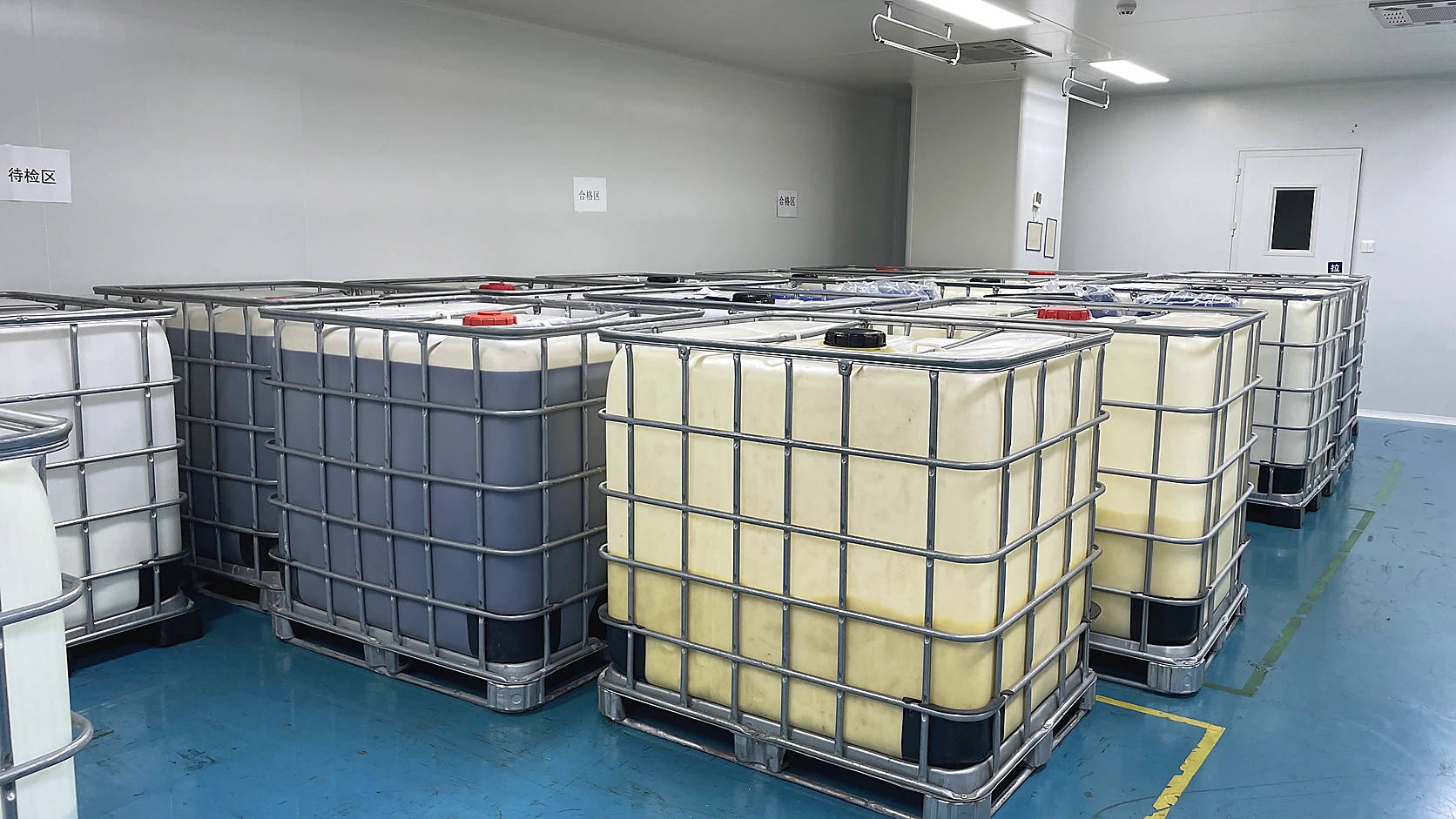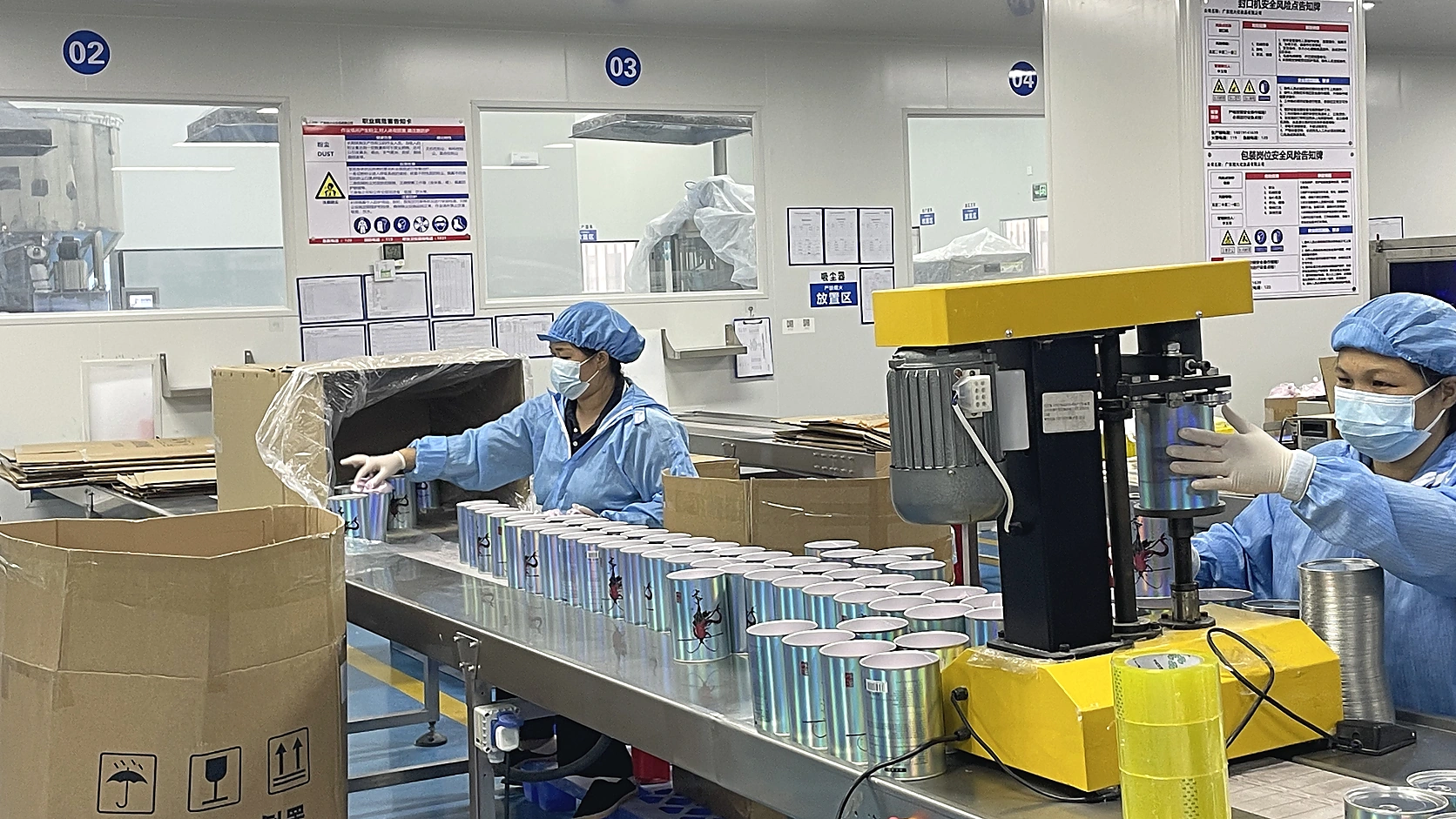

In OEM vs ODM manufacturing for hair care products, the right route depends on what is ready before factory work begins. A project without a production-ready formula or specification belongs in ODM, private label, or a defined development program—not production-led OEM. OEM fits a technically defined product that is ready for controlled transfer and production.
OEM, ODM, and private label do not mean exactly the same thing from one supplier to another. The service name is a label, not proof of scope. Classify the input as a concept, benchmark, adjustable base, or formula with manufacturing specifications; the written scope, deliverables, and rights should decide the route.
What Is the Difference Between OEM and ODM Manufacturing?
OEM fits a brand that controls a defined product and requires technical review, transfer, scale-up, manufacturing, filling, and packing. ODM fits a brand that needs the manufacturer’s platform or development team to create a production-ready product.
OEM and ODM Advantages and Disadvantages
| Model | Advantages | Disadvantages | Best fit |
|---|---|---|---|
| OEM | Stronger control, clearer differentiation, and continuity with an established standard | Requires complete technical input; transfer, scale-up, testing, substitutions, and custom components add work | A brand with a validated formula or manufacturing specification |
| ODM | Brings together the factory’s platform, development team, material system, and production knowledge | The base may be shared, while changes, formula access, and future transfer may be restricted | A brand needing a platform, controlled modifications, or manufacturer-led development |
For most first launches without a production-ready formula, ODM or private label is the better choice. OEM becomes the stronger route when the specification is transferable, proprietary performance justifies the work, or future manufacturing control matters.
A shared ODM base does not belong in a hero product when exclusivity, formula access, or future transfer is essential. Full OEM development is unnecessary when an existing platform already delivers the customer-visible result. Routes can differ by SKU: a hero treatment and a supporting shampoo need not carry the same level of customization.
Start With What the Project Already Has
| What the brand has | Our recommendation |
|---|---|
| Only a concept | Stop calling it OEM. The project needs product development or formulation, either independently or within the manufacturer—not a production-only factory. Build the brief, then choose ODM or a defined development route. |
| A benchmark | Turn it into measurable performance criteria. A benchmark is not a transferable formula, and “make it like this” is not an acceptance criterion. |
| An existing base | Use it when it already produces a result customers value. Confirm permitted changes, retesting, reuse, and exclusivity; customization needs a commercial or technical purpose, not a proprietary label. |
| A validated formula and manufacturing records | Choose OEM. Where process conditions, raw-material grades, specifications, or filling requirements are missing, price the transfer work rather than accepting a production-only quote. |
Claims form part of the brief. FDA explains that claims to treat disease or affect body structure or function can place a product in the drug category; “improves shine” and “restores hair growth” do not create the same US project. See FDA Cosmetics Labeling Claims. For the full technical path, use BODA’s hair care product development process.
Compare Responsibilities and Deliverables
Set out responsibilities before comparing prices.
| Work | Questions the quote must answer |
|---|---|
| Formula | Who supplies, develops, revises, and records it? |
| Samples | How many rounds are included, and what counts as an out-of-scope change? |
| Testing | Who selects the tests, pays for them, receives the report, and approves the result? |
| Packaging | Who sources the components and verifies compatibility and filling fit? |
| Scale-up | How will the approved sample become a production specification? |
| Documents | Which specifications, ingredient data, reports, batch records, and release records are delivered? |
| Changes | Which changes to the formula, raw materials, package, artwork, or market require reapproval? |
Name every approved version. After three sample rounds, “the shampoo formula” is no longer specific enough. The minimum traceability chain is: approved sample code → written formula and specification → approved packaging combination → scale-up or pilot decision → production and release record → retained sample.
A supplier that cannot complete this table has not defined the work, so its quotation is not comparable.
GMP and development evidence serve different purposes. ISO states that ISO 22716 covers cosmetic production, control, storage, and shipment and does not apply to R&D. A GMP certificate does not establish that a particular formula-package combination has been adequately developed. See ISO 22716:2007.
OEM vs ODM Formula Ownership: Define the Rights
The development route should determine the rights. In our projects, a base selected from our formula library remains in that library. A formula supplied by the customer is handled as that customer’s confidential material. Rights to a newly developed formula are stated separately in the manufacturing agreement.
Ask about each right separately:
- background formula, project modifications, and manufacturing rights;
- exclusivity by formula, territory, channel, or period;
- access to the formula, process, specifications, and test data;
- transfer support and post-termination assets.
An NDA protects confidential information but does not create ownership, exclusivity, or transfer rights. WIPO confirms that trade secrets may be assigned or licensed and that the holder may authorize access and use. Put the precise arrangement in the agreement. A statement such as “you own the formula” is meaningless unless it identifies the formula, process, files, and transfer rights. See WIPO’s Trade Secrets FAQs.
Moving from ODM to OEM later is not an automatic upgrade path. The route works when the agreement provides usable formula and process information, test-data access, transfer rights, packaging continuity, change control, and a new approval plan. Without those conditions, “we will transfer later” is not a strategy.
OEM vs ODM MOQ, Manufacturing Cost, and Lead Time
One minimum order quantity (MOQ) never tells the whole story. Formula, SKU, raw materials, bottles, pumps, labels, cartons, decoration, and filling carry separate minimums. If bulk supports 1,000 units but a pump requires 5,000, the commitment includes 4,000 unused pumps.
For our current project planning, private label orders generally start from 500 pieces, while custom formulations start from 1,000 pieces. Formula batch size, packaging, decoration, and line setup can move the workable quantity above those starting points. A lower MOQ reduces inventory exposure; it does not validate demand, lower customer-acquisition risk, or prove that the product will sell.
Unit price becomes meaningful only when every supplier quotes the same scope. Compare the cash required before sale: development, samples, testing, packaging, tooling, production, freight, duties, and excess materials. Separate included, excluded, optional, provisional, and buyer-supplied items.
A lead time needs a defined start and finish. In our current planning, an available formula with standard packaging takes roughly 6–12 weeks. A custom formula or new packaging takes 12–24 weeks, including an initial sample plus one or two revision rounds. Extra revisions, tests, components, and scheduling extend the path.
ODM is faster when its platform removes unfinished work. A stock formula paired with an untested custom pump may take longer than a well-documented OEM transfer using available components.
Hair Care Format Changes the Route
| Format | Scope-changing variables |
|---|---|
| Shampoo | pH, viscosity, lather, preservation, pump or cap dispensing |
| Conditioner or mask | Emulsion stability, slip, high-viscosity filling, jar or pump function |
| Oil, serum, or spray | Oxidation, solubility, leakage, spray pattern, clogging |
| Hair color and developer | Shade system, mixing ratio, processing performance, pack barrier |
| Bleach powder | Powder handling, dust control, lift and tone target, moisture protection |
“We make hair care” is not proof of production fit. Confirm that the exact format, batch, package, handling requirements, and quality controls match the manufacturer’s actual equipment and process.
How to Choose Between OEM and ODM—and Compare Quotes
Work through the decision in this order; quotations become comparable after steps 1–4 are complete:
- Identify the starting point: concept, benchmark, base, or production specification.
- Define the product result that customers will value.
- Assign development, testing, packaging, scale-up, and documentation work.
- Define formula rights, changes, future SKUs, new markets, and transfer.
- Compare the controlling MOQ, total cash commitment, and critical path.
Before accepting a quote, get clear answers to seven questions:
- Which formula, sample code, specification, and package does it cover?
- Which development work and revision rounds are included?
- Which tests apply to which formula/package version and market?
- What minimum applies to the formula, each SKU, and every component?
- Which costs, assumptions, buyer-supplied items, and rights are excluded or provisional?
- Who owns each milestone and approval, how often is status reported, and when must a delay or change be disclosed?
- Which events start the timeline or trigger retesting, reapproval, and a new price?
Once the route is clear, use a separate process to evaluate the hair care manufacturer itself, including factory evidence, relevant equipment, quality records, sample controls, and contract terms.
Get a Route Recommendation From BODA
Send the product category, target market, formula or benchmark, performance requirements, packaging, quantity per SKU, and launch schedule through BODA’s OEM, ODM and private label project route. These are BODA working routes rather than universal industry definitions: available-formula private label, OEM from an established formula or specification, ODM/custom formulation from a product concept, or contract manufacturing for a production-ready transfer.
Choose OEM for a product that is genuinely ready for transfer and production. Choose ODM or private label when the project still needs a platform or development capability. If the supplier cannot define responsibilities, rights, minimums, traceability, and deliverables, choose neither—regardless of the label or price.
Disclosure: This article is published by BODA Hair Care for brands and professional buyers evaluating OEM, ODM, and private label hair care manufacturing routes.