
When deciding how to choose a hair care manufacturer, start with project fit—not the lowest MOQ or the longest certification list. A suitable supplier should be able to turn your brief into a repeatable product, back its claims with current evidence, and put costs, approvals, responsibilities, and formula rights in writing.
This guide is published by BODA, a hair care manufacturer. Apply the same checks to us and every other supplier you evaluate.
Start by defining the product and manufacturing route. Then verify the company and factory, approve the formula and packaging together, and compare the full commercial and contractual scope. If you still need supplier names, use our private label shampoo manufacturer list; this guide will help you qualify that shortlist.
Start With a Clear Hair Care Product Brief
A request such as “I need a premium natural shampoo” is too broad to produce comparable quotations. Give every candidate the same hair care product brief.
| Brief item | What to define | Why it matters |
|---|---|---|
| Product and user | Format, hair type, concern, use occasion, channel | Guides formula and sensory direction |
| Market and claims | Country, label language, desired claims | Affects ingredients, testing, documents, and labeling |
| Performance | Benchmark, lather, slip, rinse feel, hold, residue, fragrance | Creates sample acceptance criteria |
| Packaging | Fill size, bottle, pump or cap, decoration, carton | Changes compatibility, MOQ, filling, cost, and timing |
| Commercial plan | Quantity per SKU, forecast, target cost, launch date | Shows whether the project fits the factory’s scale |
At BODA, these fields are reviewed before we recommend a formula route. A workable brief might specify a sulfate-free shampoo, benchmark lather, 500 ml pump pack, destination market, quantity, and required launch month.
Review the claims at this stage as well. In the United States, claims about treating disease or affecting body structure or function may change the product’s regulatory category. The FDA cosmetics claims guidance is a useful starting point for hair-growth, anti-dandruff, and other treatment-oriented concepts.
Choose the Right Manufacturing Model
Private label, OEM, ODM, and contract manufacturing do not mean exactly the same thing from one supplier to another. A private label hair care manufacturer should therefore define the actual scope instead of relying on the service name.
| Route | Starting point | Main advantage | Confirm in writing |
|---|---|---|---|
| Ready-made or stock | Existing formula and standard packaging | Faster market testing | Allowed changes, existing tests, formula reuse, pack options |
| Semi-custom | Proven base with selected adjustments | Speed with some differentiation | Revision limits, retesting, MOQ changes, formula rights |
| ODM or custom | Formula developed from your brief | Greater performance and positioning control | Deliverables, sample rounds, testing, ownership, scale-up |
| OEM or contract manufacturing | Buyer formula or specification | Suits a defined, transferable product | Technology transfer, process validation, documents, responsibilities |
For a new brand, a stock formula and standard pack can lower launch risk. A salon range may be better served by proven bases with coordinated fragrance and packaging. A DTC brand with a validated concept may have a stronger case for custom formula and packaging development. Choose the route that fits the current launch; differentiation can grow once the product has proven demand.
How to Find a Manufacturer for Hair Products
Trade shows, industry associations, chemist and packaging referrals, LinkedIn, supplier websites, and B2B directories are all useful for finding candidates. None of them, by itself, proves that a hair product manufacturer is qualified.
Ask for the legal company name, manufacturing address, and the product categories made at that site. Confirm which entity will sign the contract, receive payment, manufacture, fill, and issue the invoice. If a trader, agent, or partner factory is involved, record each role and who is responsible for quality release, complaints, and recalls.
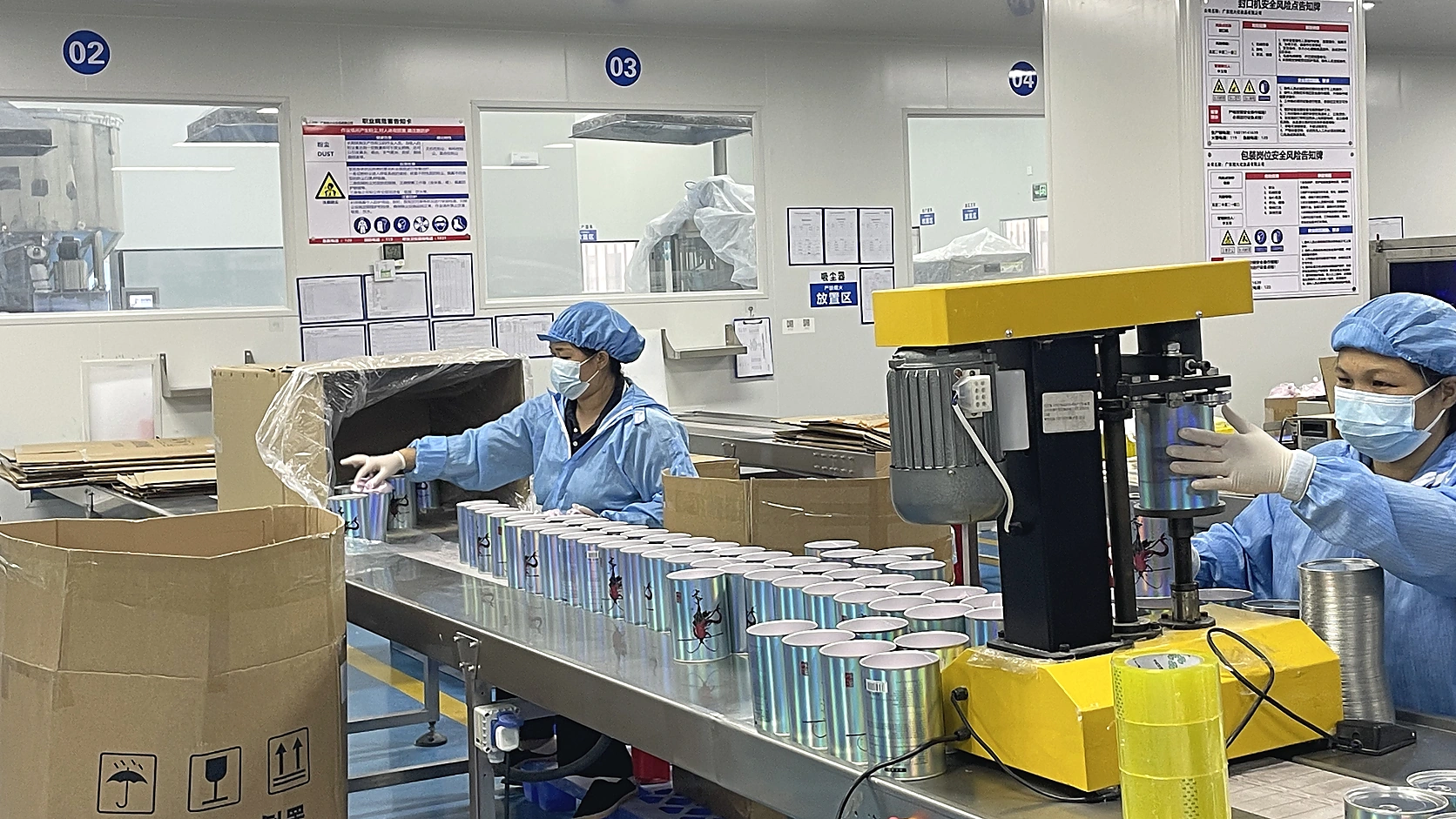
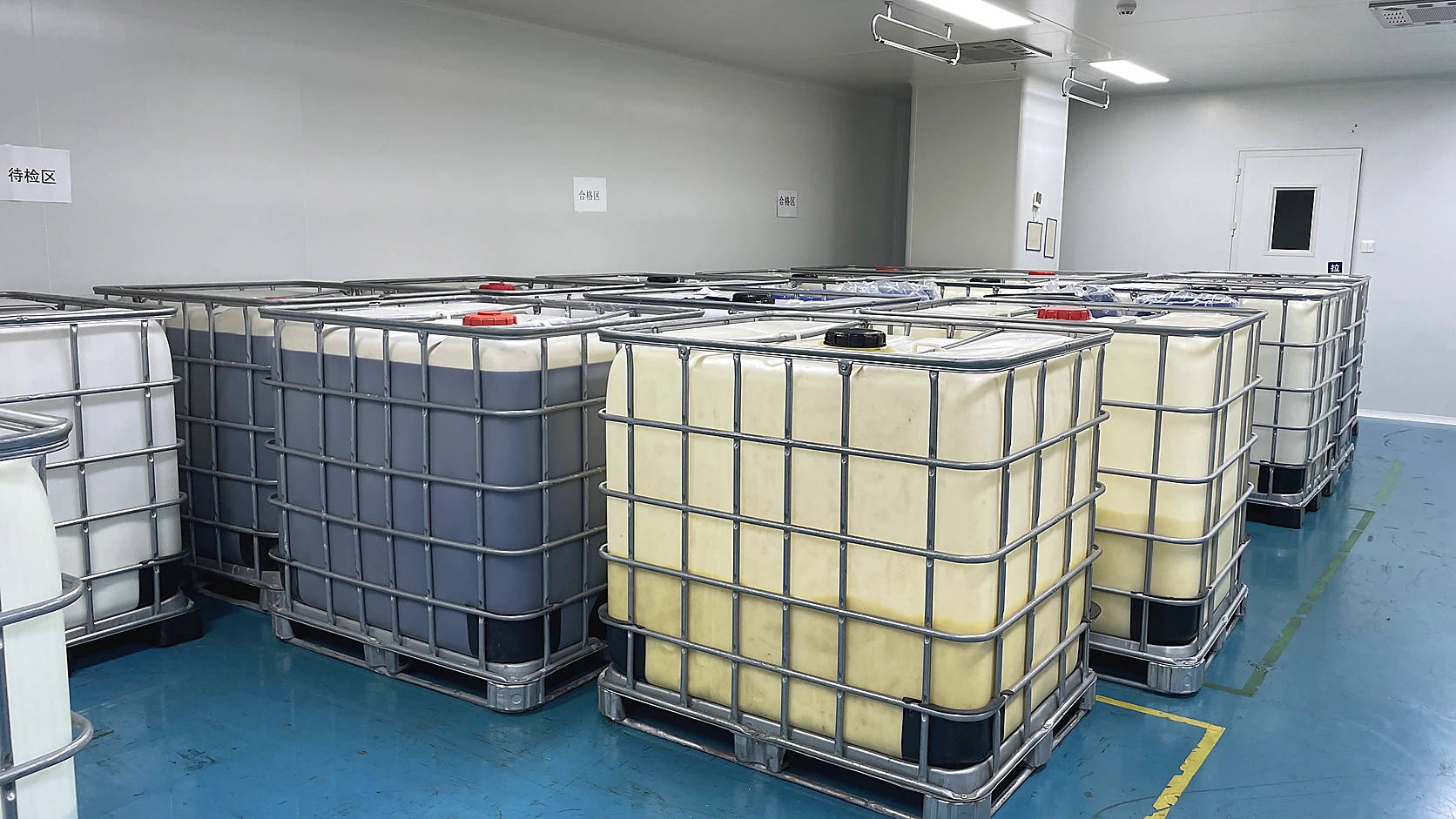
A live walkthrough tells you more than a polished factory video. Ask to see raw-material storage, weighing, compounding, filling, the laboratory, quarantine areas, finished-goods storage, and batch-record controls. Cross-check the address, people, documents, and equipment shown during the call.
Verify the Factory and Its Quality Evidence
For every certificate, check the holder, factory address, standard, scope, issuer, status, and expiry date. The BODA About Us page displays its manufacturing license and certifications, allowing buyers to compare them with quotations and other project documents.
ISO 22716 provides GMP guidance for cosmetic production, control, storage, and shipment. Because it does not cover R&D, it cannot replace formula testing, scale-up controls, or finished-product release evidence.
The product format also changes what the factory needs to demonstrate:
| Product | Technical focus | Packaging check |
|---|---|---|
| Shampoo | Surfactants, pH, viscosity, lather, microbiology | Cap or pump dispensing |
| Conditioner or mask | Emulsion stability, slip, wet combing, high-viscosity filling | Jar or pump fill consistency |
| Scalp serum | Solubility, preservation, residue, low-viscosity filling | Dropper, nozzle, or spray output |
| Hair color | Shade consistency, developer pairing, processing performance | Formula, developer, and barrier pack as one system |
| Aerosol styling | Pressure fill, valve, spray pattern, flammability, transport | Specialized line and documentation |
Ask how the site controls incoming materials, water, weighing, cleaning, in-process checks, finished-product release, deviations, traceability, and retained samples. What matters is the record created at each stage, not the logo shown in a sales deck.
Approve Samples, Testing, and Scale-Up
An attractive sample is only the starting point. Follow a documented path:
Brief → sample → revisions → approved reference → written specification → packaging approval → pilot or bulk approval → batch release → retained sample
Record appearance, odor, color, pH, viscosity, lather, slip, rinse feel, wet combing, dry feel, hold, residue, and dispensing performance where applicable. Link the approved reference to the final formula direction, packaging, artwork, approval date, and acceptance criteria.
The testing program should match the formula, claims, package, market, and intended use. Depending on the project, it may include stability, microbiological quality, preservative efficacy, performance, and packaging compatibility testing. ISO 11930 addresses antimicrobial protection, while ISO 17516 addresses microbiological quality.
The 2004 Cosmetics Europe/CTFA stability guide is an older document, but its risk-based approach to formula–package interaction remains widely referenced. Before testing starts, confirm who selects each method, commissions and pays for the work, owns the report, and decides when a change requires reevaluation.
Compare Hair Care Manufacturer MOQ, Cost, and Lead Time
MOQ is rarely a single number. Break out the formula batch, filling per SKU and size, bottles, closures, labels, cartons, colors, fragrances, decoration, testing, tooling, storage, freight, duties, and reorder conditions. Quotations are only comparable when each one covers 100% of the same project and destination.
For BODA projects, private label commonly starts around 500 units, while custom formula work starts around 1,000 units. Individual product pages may show a higher MOQ—for example, 1,000 pieces for some shampoos—because the formula, fill size, packaging, and production setup affect the workable minimum. Available-formula projects with standard packaging are generally planned at 6–12 weeks; custom formula or new packaging commonly requires 12–24 weeks. The standard development cycle normally covers the initial sample and one or two revision rounds. Samples are quoted before laboratory work or dispatch. Extra development, packaging samples, testing, or a new product direction is scoped separately.
Break the lead time into formula work, testing, artwork, component sourcing, production scheduling, filling, release, and shipping. Record the start point, buyer approval pauses, update frequency, delay-notice trigger, and escalation contact. For repeat orders, check peak-season capacity, raw-material lead time, component continuity, approved alternatives, and change-notification rules.
Clarify Compliance, Formula Rights, and Contract Terms
“Regulatory support” should be defined through named deliverables, owners, fees, and deadlines.
| Market | Confirm before production |
|---|---|
| United States | Applicable facility registration, product listing, safety substantiation, label, claims, and responsible-person tasks. FDA registration or listing is not product approval; see the current FDA information. |
| European Union | Responsible Person, CPSR, PIF, final label, and CPNP notification, with the owner and deadline for each item. |
A hair care manufacturing agreement should distinguish between the INCI list, SDS, COA, quantitative formula, manufacturing procedure, specification, and test data. For custom development, define ownership or licensing, exclusivity, access to raw-material trade names, artwork and mold ownership, change control, transfer rights, termination support, and the treatment of remaining materials.
WIPO’s trade-secret guidance explains that confidential technical information may be licensed or assigned under agreed terms. Before work begins, sign an NDA for proprietary materials and confirm the sample fee, included revisions, production credit, deposit and balance triggers, cancellation terms, and component ownership.
Use a Hair Care Supplier Scorecard and Decision Gates
Base the score on evidence, not the sales presentation.
| Area | Weight | Evidence |
|---|---|---|
| Project and formula fit | 20 | Relevant formats, brief response, route |
| Quality and regulatory readiness | 20 | Current documents, testing, release, responsibilities |
| Samples and scale-up | 15 | Revisions, specification, bulk approval, change control |
| Packaging and supply | 15 | Compatibility, MOQ, backup, reorder |
| Commercial terms | 15 | Complete cost, milestones, payment, overage |
| IP and contract control | 10 | Ownership, data, transfer, termination |
| Communication | 5 | Project owner, update cadence, records, escalation |
Use five gates to control the project:
| Gate | Pass when | Hold or reject when |
|---|---|---|
| 1. Project fit | Route, product, market, MOQ, and timing align | The supplier cannot define the scope |
| 2. Entity and evidence | Factory, certificates, contract, invoice, and payment chain match | The manufacturing party remains unclear |
| 3. Sample and package | Reference, specification, pack, and testing scope are approved | Production is pushed before final approval |
| 4. Commercial and contract | Cost, payment, rights, changes, and exit terms are written | Major costs or ownership remain undefined |
| 5. Production release | Materials, schedule, QC, release, and communication plan are confirmed | Unapproved substitutions or unresolved deviations remain |
Classify each candidate as qualified, pending evidence, or unsuitable. For deviations, complaints, CAPA, and recalls, confirm who investigates, which records are issued, how affected batches are traced, who approves corrective action, and when the buyer is notified.
Questions to Ask a Hair Care Manufacturer
- Which company will contract, manufacture, fill, invoice, and receive payment?
- Which relevant products and packaging formats are made at this facility?
- Which development route applies to this quotation?
- What are the minimums for the formula, each SKU, and every component?
- Which samples, revisions, tests, reports, and fees are included?
- How will the approved sample become the production specification?
- Who owns the formula, process, specifications, data, artwork, and molds?
- Which market documents will you provide, and what remains our responsibility?
- Which changes require notification, retesting, and reapproval?
- What are the first-order and reorder milestones and update rules?
- How are deviations, rejected batches, complaints, CAPA, and recalls handled?
- What happens to formulas, data, tooling, and materials when the relationship ends?
Frequently Asked Questions
What is the first step in choosing a hair care manufacturer?
Prepare one product brief and send it to every candidate so the scope, samples, quotations, and timelines remain comparable.
What is a realistic MOQ for hair care manufacturing?
There is no universal MOQ. Confirm the component-level minimum for the exact formula, SKU, fill size, packaging, and decoration in the quotation.
Should I choose private label, OEM, or ODM?
Choose according to your required speed, differentiation, technical readiness, budget, and formula rights. The written scope matters more than the label.
How can I verify a manufacturer without visiting the factory?
Cross-check the legal entity, address, certificates, contract, invoice, and payment account. Then use a live walkthrough, current records, samples, and third-party checks where the project risk justifies them.
Who owns a custom hair care formula?
The contract decides. Paying a development fee does not automatically transfer the quantitative formula, process, specifications, or test data.
Make the Final Decision on Evidence
The best hair care manufacturer is the one that fits the brief and supports its commitments with current evidence, approved standards, complete commercial terms, and a workable supply plan.
If BODA may fit your project, send a complete brief through our OEM and private label process, or start with one sentence covering the product, destination market, and estimated quantity on the contact page. BODA operates under Guangdong Cosmetics Manufacturing License No. 粤妆20210125 and an ISO 22716-certified quality system.