Hair care product development goes well beyond creating a formula. It turns a product brief into a tested, packaged commercial product that can be made consistently.
That distinction matters because an attractive laboratory sample is not yet ready for manufacturing. The formula must still work with its packaging, stay within specification, withstand the intended production process, and support the claims made for it.
The difficult part is knowing when to commit. Lock the formula or order packaging too early, and a later change can trigger retesting, obsolete components, or avoidable delays. Leave every decision open for too long, and the project never becomes stable enough to enter pilot or commercial production.
The working rule is straightforward: do not make the next major commitment until the current stage has produced enough evidence to support it.
The Hair Product Development Process at a Glance
A reliable hair product development process does not move forward simply because the launch calendar says it should. It moves forward when a defined output has been reviewed and approved.
| Stage | What must be proven | Key deliverable | Commitment made |
|---|---|---|---|
| Brief and feasibility | The consumer need, product goal, cost and technical direction can coexist | Approved product brief | Begin formulation work |
| Development route | Scope, responsibilities and formula rights are understood | Development agreement | Commit development resources |
| Prototype development | One version meets the agreed performance and sensory direction | Approved prototype and revision record | Select the version for validation |
| Formula and packaging lock | The formula and intended pack are ready for formal evaluation | Locked formula and packaging specification | Start testing and component procurement |
| Validation | Safety, stability, packaging and claim risks have suitable evidence | Test results and approved specifications | Authorize pilot production |
| Pilot and scale-up | The process can reproduce the approved product on manufacturing equipment | Approved pilot and manufacturing instructions | Prepare commercial production |
| Commercial release | The finished batch meets the approved specification and is traceable | Batch record and release approval | Release the product for sale |
This is not a one-way path. A stability failure can send the project back to formulation. A dispensing problem may call for a different package or viscosity. A pilot-batch deviation can require a process change and another evaluation.
These stages are not there to create paperwork. They are there to find problems while they are still relatively inexpensive to correct.
| If this happens | Return to | Work that may need to be repeated |
|---|---|---|
| Stability or microbiological failure | Formula development | Prototype approval, specifications and affected tests |
| Poor dispensing or package interaction | Formula or packaging selection | Compatibility work and package approval |
| Pilot batch falls outside specification | Process development | Pilot settings, manufacturing instructions and pilot approval |
| Raw material or claim changes after approval | Impact assessment | Affected safety, stability, claim or packaging evidence |
1. Turn the Product Idea Into a Development Brief
“Professional,” “natural,” “repairing,” and “premium” may describe the brand direction, but they do not tell a formulator what to make. Before development starts, those ideas need to become observable requirements.
A useful hair care product development brief should define:
- the target consumer and the hair or scalp concern;
- the product format and intended use;
- the target market, channel and expected retail position;
- a benchmark product or a clearly described user experience;
- required performance, texture, fragrance, color and after-feel;
- ingredients to include, avoid or restrict;
- proposed claims and the evidence they may require;
- the intended packaging format and fill size;
- expected order volume and target product cost;
- the desired launch timing and required documents.
Descriptions need enough detail to guide decisions. For example, “a lightweight detangling spray” leaves room for conflicting interpretations. “A fine-mist leave-in spray with improved wet-combing slip, low residue and reliable trigger-spray delivery” gives the development team something it can evaluate.
The brief should also expose conflicts early. A highly customized formula, an unusual imported active, a bespoke jar, and a very small first order may not fit the same cost and timing target. It is cheaper to identify that conflict before formulation than after testing or packaging procurement.
Approval point: proceed only when the consumer problem, technical direction and commercial boundaries are compatible.
Troubleshooting
If the brief is vague, use a benchmark and state what should stay and what should change. If the requirements conflict, rank them by purchasing value. Protect the differences that matter to the customer, and remove complexity that has no evidence behind it.
Brands still deciding on product formats can review BODA’s professional hair care product range for examples of shampoos, conditioners, treatments, oils, hair color and bleach products. The aim is to clarify the brief, not to copy an existing line without a clear market reason.
2. Choose the Development Route and Define the Rights
The right development route depends on the level of differentiation required and the evidence, time and capital available to the brand.
| Route | Best when | Main trade-off |
|---|---|---|
| Existing formula or base | The brand needs to test demand quickly and requires limited technical differentiation | Faster entry, but less formula control and exclusivity |
| Modified base formula | The product needs controlled changes without a full development program | The permitted changes and retesting conditions must be clear |
| Fully custom development | Existing formulas cannot deliver the defined product promise | Higher development, testing and supply-chain complexity |
The choice between a product developer and a contract manufacturer also matters. An independent product developer may create the formula and documentation while leaving commercial sourcing, packaging, testing coordination and manufacturing transfer to the brand. A manufacturer may connect development with scale-up and filling, although its formula rights, ingredient system and production minimums may be more closely tied to its facility.
Before paying substantial development fees, confirm in writing:
- who develops and revises the formula;
- how many sample rounds or development hours are included;
- who sources commercial raw materials and packaging;
- who coordinates each agreed test;
- who owns the base formula and the custom changes;
- whether exclusivity or transfer rights apply;
- who approves changes;
- which formulas, specifications, test reports and manufacturing records the brand receives.
The responsibility split should also be clear before work begins:
| Decision or task | Brand | Developer or manufacturer | External partner |
|---|---|---|---|
| Product brief and commercial priorities | Defines and approves | Reviews feasibility | — |
| Formula and sample version | Reviews against the brief | Develops, records and recommends | Specialist formulator if separately appointed |
| Testing plan | Confirms market and claims | Proposes and coordinates agreed work | Laboratory performs assigned tests |
| Packaging | Approves design and cost | Checks filling and formula fit | Supplier provides components and technical data |
| Pilot and commercial release | Approves agreed milestones | Controls scale-up, records and release checks | — |
Formula ownership should not be reduced to “the brand owns the formula.” Owning a concept, accessing the quantitative formula, having the right to manufacture elsewhere, and receiving a complete technical transfer package are separate matters.
Approval point: settle the development scope, responsibilities, rights and final deliverables before the project becomes difficult to move.
Troubleshooting
If a quote is much lower than expected, check whether testing, packaging work, scale-up or transfer documents have been excluded. When several suppliers are involved, appoint one project owner to maintain the approved versions and decisions.
BODA’s OEM service outlines its manufacturing route and project support. A brand should still confirm the scope, testing plan, target-market responsibilities and formula terms for its own project.
3. Develop the Prototype and Know When to Lock the Formula
Prototype development is iterative, but it should not become an endless search for subjective perfection.
During hair care formulation, every sample needs a unique version number. Feedback should refer to the brief: increase wet-hair slip, reduce residue, lower fragrance intensity, improve foam density, adjust viscosity, or change the rinse profile. Comments such as “make it feel more premium” are difficult to act on and almost impossible to approve consistently.
The team should distinguish three types of feedback:
- a failure to meet a required performance criterion;
- a sensory preference that matters to the target customer;
- a late idea that adds complexity without solving the original problem.
A revision can affect more than the feature being changed. A new fragrance may alter color or stability. Adjusting viscosity may affect filling and dispensing. Adding an active may change cost, raw-material availability, preservation, or the evidence needed for a claim.
Laboratory availability does not mean an ingredient is suitable for commercial supply. Before formula lock, confirm supplier documentation, MOQ, lead time, batch consistency, and a realistic alternative if the selected material becomes unavailable.
Formula lock should occur when the selected version meets the agreed technical, sensory, cost and manufacturing direction and is ready for formal validation. The formula can still change, but any later adjustment requires an impact assessment, documented approval and, where necessary, additional testing.
Approval point: record the exact approved version, its preliminary specification, its intended packaging and any questions still awaiting formal validation.
Troubleshooting
If reviewers disagree, return to the priorities in the brief instead of averaging opinions. If the sample performs well but exceeds the cost target, address the problem before formal testing. Testing an unaffordable formula only makes later reformulation more expensive.
4. Validate the Formula and Packaging as One System
Testing should reflect the actual product, its intended use, final packaging, claims, and sales market. There is no single universal test list for every cosmetic.
The U.S. FDA states that manufacturers and distributors are responsible for ensuring cosmetics are safe under labeled or customary conditions of use. It does not prescribe one fixed set of tests for every cosmetic. The validation plan therefore needs to suit the product and the available safety information. See the FDA’s guidance on product testing of cosmetics.
A development plan may include:
- Stability evaluation: monitors appearance, odor, color, pH, viscosity, separation and other relevant changes over time;
- Microbiological evaluation: considers microbial quality and, where appropriate, the effectiveness of the preservation system;
- Packaging compatibility testing: checks material interaction, leakage, sealing, dispensing, product evacuation and transport performance;
- Performance or claim support: determines whether the evidence matches the wording and scope of the proposed claim;
- Finished-product specifications: creates measurable criteria for pilot and commercial batches.
Packaging belongs in this stage because it forms part of the technical system. A thick mask must dispense from its jar or tube as intended. A spray needs an acceptable pattern and dose. Component dimensions must suit the filling and closing equipment. The pack must also be available at a quantity, lead time and cost that fit the project.
For the leave-in detangling spray in the brief, packaging compatibility testing should check spray pattern, dose consistency, clogging, leakage and product evacuation using the intended formula and component.
Review claims before finalizing the artwork. In the U.S. market, cosmetic labeling claims must be truthful and not misleading. Claims to treat disease or affect the body’s structure or function may also change how the product is regulated. The FDA provides further detail in its guidance on cosmetics labeling claims.
Approval point: proceed to pilot only when the current formula, intended packaging, validation results and specifications support the decision.
Troubleshooting
If stability fails, investigate the formula and packaging rather than explaining away the result. If the package is incompatible, decide whether to change the component or the formula, then identify which work must be repeated. Do not automatically apply test results from an earlier version to a changed product.
5. Move From Lab Sample to Pilot and Commercial Production
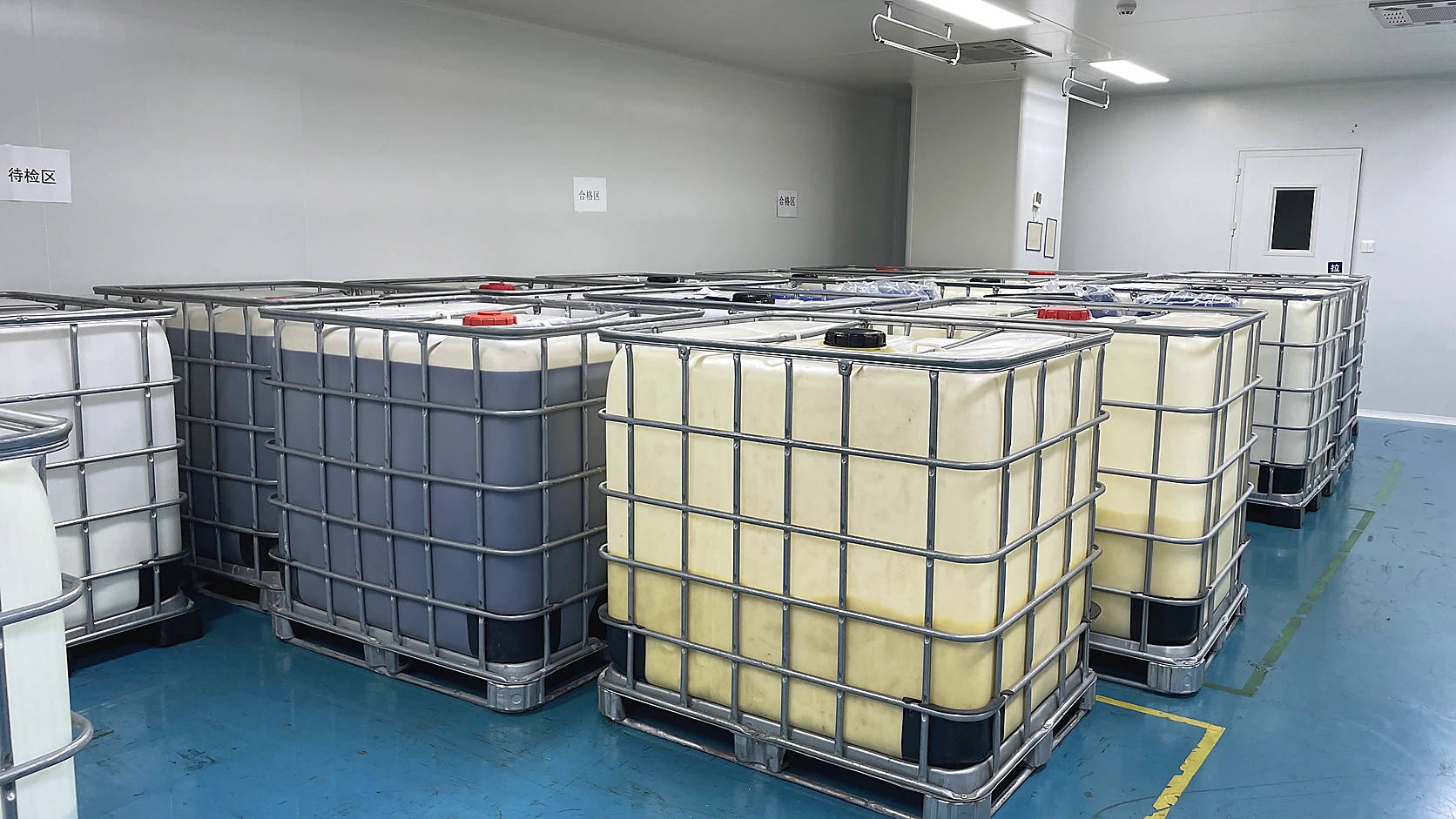
This is where product development moves into manufacturing. The three batch stages answer different questions and are not interchangeable.
| Stage | What it proves | Typical evidence | Approval question |
|---|---|---|---|
| Lab sample | The formula direction and sensory profile are feasible | Sample version, early specification and feedback record | Is this version ready for validation? |
| Pilot batch | The intended process and equipment can reproduce the product | Process parameters, in-process checks and pilot results | Is the process stable enough for commercial production? |
| Commercial batch | Formal materials, equipment, packaging and quality procedures meet the approved requirements | Batch records, inspection results, deviations and release approval | Can this batch be released? |
A formula that works in a small laboratory vessel may behave differently when the batch size and equipment change. Mixing speed, shear, heating and cooling, addition order, hold time, and filling conditions can all affect viscosity, appearance, fragrance, color and product uniformity.
During production scale-up, the leave-in detangling spray may change in viscosity, appearance or spray behavior as the equipment and batch size change. The prototype establishes the target experience. The pilot must then show that the production process reaches the approved specification and that the finished formula fills and sprays as intended. The example does not need invented performance figures; each requirement should become a measurable specification or an observable approval criterion.
Use pilot production to refine the manufacturing instructions and identify critical process conditions. Compare the batch against measurable specifications rather than relying only on a visual check against the laboratory sample.
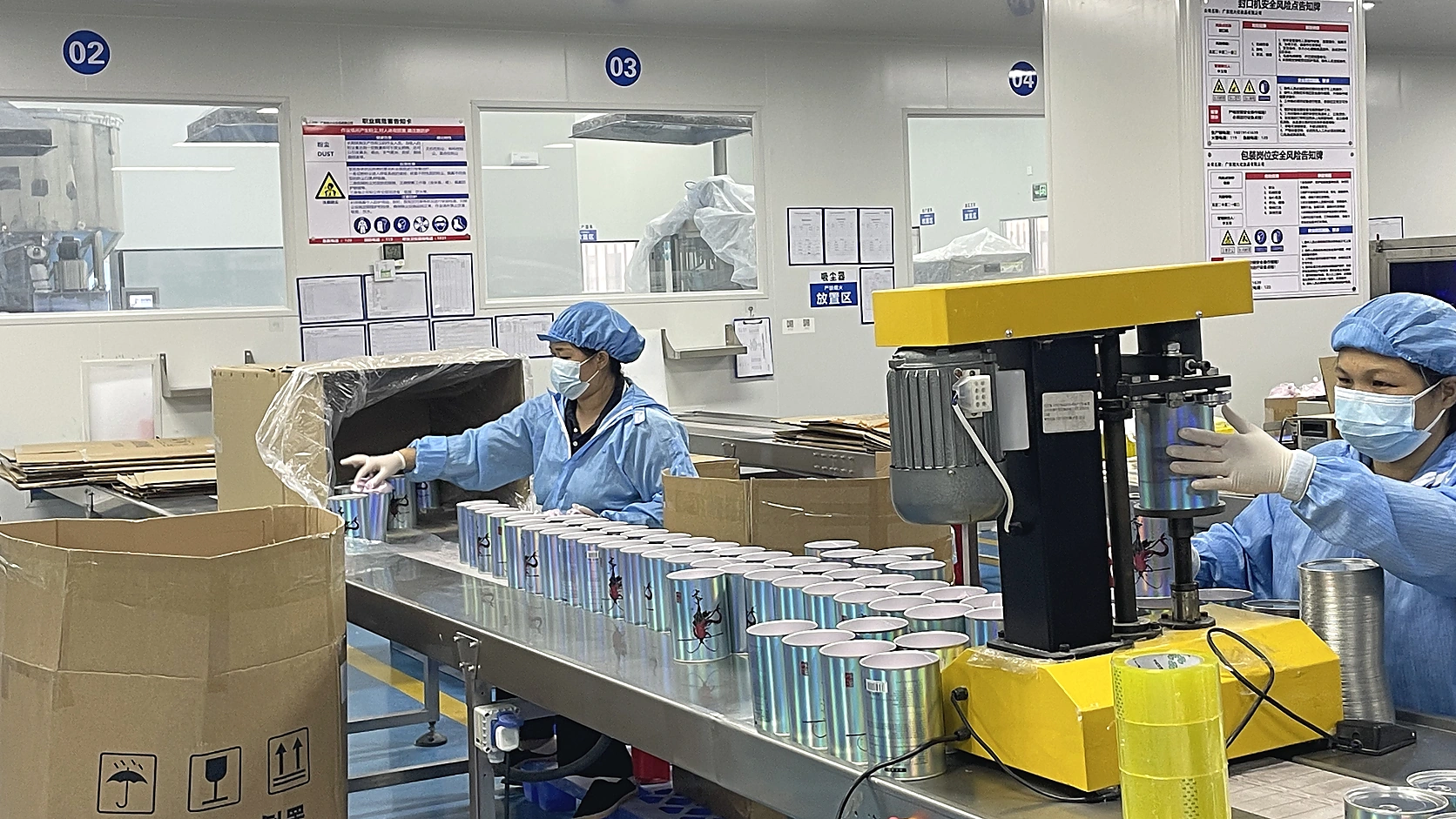
Commercial production brings together approved raw materials, the production process, the filling line, packaging components, batch documentation and release testing. If a result falls outside specification, record and investigate the deviation before accepting, reworking or rejecting the batch.
Release is not the end of product control. Complaints, retained samples and repeat-batch results can reveal trends that were not visible during development. The FDA’s cosmetic GMP inspection checklist covers batch records, reserve samples, finished-product controls and consumer complaint files. If an ingredient is discontinued, a package is replaced or the process changes, the change should enter formal control so the team can decide which documents, specifications and tests need to be revisited.
Manufacturing quality systems support this work. ISO 22716 provides guidelines for the production, control, storage and shipment of cosmetic products. It does not replace product-specific development or testing; ISO states that the standard does not apply to research and development activities.
Approval point: authorize commercial production only when the pilot supports the manufacturing process and the product has approved specifications and instructions.
Troubleshooting
If the pilot differs from the laboratory sample, investigate equipment, shear, temperature, process order and raw-material lots before making an informal adjustment. When an ingredient, package or process changes after approval, use change control to identify the specifications, documents and tests that need updating.
6. Control the Development Cost and Timeline Through Evidence
Hair care product development cost is not the same as the quoted unit price. The full budget may include formulation, samples, freight, testing, retesting, packaging samples, decoration, molds, compatibility work, pilot production, excess raw materials, manufacturing, shipping and inventory.
Different minimums may apply to the finished product, raw materials, bottles, pumps, printed labels and cartons. A low finished-product MOQ does not mean every custom component can be purchased in the same quantity.
The hair care product development timeline is a critical path, not one universal number. Some work can run in parallel, including early packaging research and prototype development. Other tasks depend on an approved version. Formal testing cannot provide useful evidence for a product that changes every week.
Common causes of delay include:
- slow or contradictory sample feedback;
- extra prototype rounds;
- failed validation or compatibility work;
- special raw-material lead times;
- custom packaging or tooling;
- target-market document and artwork revisions;
- pilot or commercial production scheduling.
The fastest projects are not necessarily the ones that skip the most work. They define the important constraints early, make clear decisions on time, and avoid changing locked requirements without a sound commercial reason.
Prepare a Better Product Development Enquiry
A manufacturer can assess a project more effectively when the enquiry describes the product, not just the brand ambition.
Before requesting a quotation, prepare:
- product format, target consumer and target market;
- benchmark, intended difference and required performance;
- ingredient, claim, testing and document requirements;
- packaging direction and fill size; and
- expected quantity, target cost, launch timing and formula-right expectations.
This information does not have to be technically perfect. It gives the developer or manufacturer enough context to identify the key decisions and assess feasibility.
If you have a defined concept, send BODA the product type, target market, benchmark, packaging direction, expected volume and launch objective for an initial project discussion.
Conclusion
A completed hair care product is more than a sample the project team likes. It is a product system that has been defined, tested, transferred to manufacturing, approved against specifications and prepared for controlled future changes.
The aim is not to eliminate every uncertainty at the outset. It is to resolve the right uncertainty before a decision becomes expensive to reverse. When evidence supports each major commitment, the path from product brief to repeatable commercial production is clearer, more predictable and easier to manage.