Disclosure: This article is published by BODA, which is also one of the manufacturers listed. The same comparison fields apply to BODA and every other company. Information about BODA comes from its product, factory, and OEM pages; competitor information comes from official public pages reviewed in October 2026.
The best private label hair shampoo manufacturers serve very different types of projects. A supplier offering 36 or 50 ready-to-label units is not competing on the same terms as a factory producing 500 kg of custom bulk. The right fit depends on the formula route, complete MOQ, packaging, testing, target market, timeline, and reorder plan. For that reason, this shampoo-specific guide is narrower than general lists of the best private label hair care manufacturers.
Quick Picks by Project Type
- Testing demand with 36–50 ready-label units: begin with Envii Labs or Pravada.
- Buying stock formulas in bulk, with the option to move into custom: compare RainShadow Labs.
- Planning a 500–1,000-piece professional range: compare Bonnet Cosmetic and BODA, then confirm the minimum for the selected formula and pack.
- Building a 3,000–5,000+ unit custom or European program: consider Hello Lab, Bonnet's custom route, and HSA Cosmetics.
These are starting points rather than quality rankings. Send the same brief to each suitable candidate before selecting a partner.
Private Label Shampoo Manufacturers at a Glance
The list moves from small ready-label runs to larger custom programs. It is not a best-to-worst ranking.
| Manufacturer | Relationship and manufacturing location | Published starting point | Formula route | Best fit | Skip it if... |
|---|---|---|---|---|---|
| Envii Labs | Company-stated manufacturer; the reviewed page did not clearly identify the production site | 36 units or 1 gallon per product | Private label; custom consultation | Small salon, spa, and startup launches | You need a fully documented custom-development and ownership package before shortlisting |
| Pravada Private Label | Private label manufacturer stating USA-based production; confirm the production site | 50 units per product for private label | Ready-to-brand, semi-custom, custom | Very small market tests using established formulas | You need an exclusive formula at the same 50-unit entry point |
| RainShadow Labs | Direct manufacturing lab in St. Helens, Oregon, USA | 10 gallons stock filling; 25 gallons custom | Stock, semi-custom, custom | Bulk-volume brands moving from stock to proprietary formulas | You need a quote expressed only in finished units with packaging included |
| Bonnet Cosmetic | Company-stated contract manufacturer in Texas, USA | 500 units/SKU ready; typically 3,000 units/SKU custom | Ready-to-market and fully custom | Mid-volume ready or custom launches | You are still testing demand below its published ready-formula range |
| BODA | Direct manufacturer; Guangdong Boda Cosmetics Co., Ltd., Yingde, Guangdong, China | Typically 500 pieces private label; 1,000 custom; individual shampoo MOQ may vary | Private label, OEM, ODM, contract manufacturing | China-based professional, salon, and distributor projects | You need a 36–50 unit finished-product test run |
| Hello Lab | Company-stated shampoo manufacturer; confirm the contracting entity and production site | 3,000 units ready; 5,000 units/SKU custom | Ready-to-use and custom | Brief-led custom development with packaging support | You need a micro-batch launch below 3,000 units |
| HSA Cosmetics | Direct hair care manufacturer in Italy | 500 kg/formula bulk; finished products commonly from 5,000 units | Ready-to-go base and fully custom | Scaled European and professional programs | You are testing a new concept with a small first order |
How We Selected These Private Label Shampoo Manufacturers
We included companies that publish direct evidence of shampoo manufacturing or private label shampoo services. Each candidate also provides useful information on formulas, MOQ, samples, packaging, production, testing, or quality systems.
Each field is marked as supported by the reviewed company page, partially verified, or not publicly stated. Marketplaces, directories, brands without manufacturing evidence, and entries with no identifiable producer are excluded. Private label shampoo suppliers that coordinate production through partners may still be useful, but their quotations should name the legal manufacturer, factory, party responsible for release, and shipping origin.
Manufacturer websites are the main source for company facts. Directories, AI summaries, and “Top 10” pages can help identify candidates, but they do not prove a factory, MOQ, or certificate.
Dated page snapshots and a claim log support the terms used in this comparison. They show what each company published on the review date, but they do not replace certificate validation, a factory audit, or a signed quotation.
We do not use star ratings. A low MOQ can help with a first launch, while custom development, documentation, and production scale matter more to an established brand. Published terms are useful for screening; the quotation defines the commercial scope.
Detailed Due-Diligence Comparison
Not publicly stated means the item should be added to the RFQ instead of being treated as included.
BODA’s row contains more detail because first-party documentation is available.
| Manufacturer | Samples and published timing | Quality or certification signal | Can buyers provide packaging? | Formula ownership signal |
|---|---|---|---|---|
| Envii Labs | Trial kits; site has published short current fulfillment windows | Detailed certificate and test scope not prominent on the reviewed page | Packaging/private-label options offered; customer-supplied component process not clearly stated | Not publicly stated |
| Pravada | Samples available; route-specific timing should be quoted | Company states GMP-certified USA-based production | Packaging choices available; own-component process should be confirmed | Route-specific ownership/exclusivity not publicly stated |
| RainShadow Labs | 2 oz samples; stock orders around 8 weeks and custom up to 24 weeks on reviewed page | Company states FDA-registered and ISO-certified facility | Yes; preferred vendors or buyer-supplied components with compatibility review | Page states custom development can create a proprietary formula; contract terms still define rights |
| Bonnet Cosmetic | Samples offered; production timing not clearly standardized publicly | Company describes manufacturing and certification information on its About page | Filling, labeling, and packaging support offered | Not publicly stated |
| BODA | Samples quoted before work/dispatch; normally 1–2 revision rounds; planning guide 6–12 weeks private label and 12–24 weeks custom | Cosmetics Manufacturing License; company publishes ISO 22716, ISO 14001, and SGS cosmetic GMP certification details | Yes, after filling and compatibility review | Base formulas remain in BODA's library; customer formulas remain confidential; new-formula ownership follows the agreement |
| Hello Lab | Development samples; page states 4–6 weeks from sample approval to bulk delivery, excluding shipping | The reviewed page describes QC and traceability; ISO 22716 GMP appeared in the page metadata, but no certificate was located in the reviewed page body | Packaging sourcing and label support offered; buyer-supplied route should be confirmed | Not publicly stated |
| HSA Cosmetics | Development route published; page states projects from about 8 weeks | Company publishes ISO 9001 and ISO 22716 certification details with linked validity information | Packaging and labeling support offered | Not publicly stated |
Best Private Label Shampoo Manufacturers by Project Fit
Envii Labs — Best for Small Salon and Spa Launches
Envii Labs lists several shampoos with an MOQ of 36 units or one gallon per product. Trial kits and short published fulfillment windows make the range accessible to salons, spas, barbershops, and new brands testing a compact line.
The low entry point is its main advantage. For a custom project, ask Envii to include the development MOQ, revision allowance, testing, manufacturing location, packaging responsibilities, and formula rights in one quotation.
Do not choose it solely for the 36-unit figure if the project requires a proprietary formula with a complete testing and transfer package.
Pravada Private Label — Best for Very Low-Unit Ready-to-Brand Testing
Pravada offers established shampoo formulas with a published private label minimum of 50 units per product. Samples, fragrance options, packaging choices, and several development routes make it possible to test the market without committing to a large first run.
The 50-unit threshold applies to the private label route. Semi-custom and fully custom projects come with different costs, timelines, and rights.
Look elsewhere if you need an exclusive formula at a 50-unit budget.
RainShadow Labs — Best for Gallon-Based Stock-to-Custom Scaling
RainShadow Labs offers stock, semi-custom, and custom development. Stock filling starts at 10 gallons, custom formulas at 25 gallons, and two-ounce samples are available. Buyers may use preferred packaging vendors or submit their own components for compatibility review.
This model suits brands that plan purchases by bulk volume and may later move to a proprietary formula. Convert gallons into estimated units using the fill size, then account for filling, component waste, labels, cartons, and freight.
It is not the simplest option for buyers who want one all-inclusive finished-unit price with packaging already bundled.
Bonnet Cosmetic — Best for Mid-Volume Ready and Custom Routes
Bonnet Cosmetic separates ready-to-market formulas from fully customized products. Published starting points are commonly 500 units per SKU for ready formulas and 3,000 per SKU for custom work. The company also offers samples, filling, labeling, and packaging support.
Bonnet fits brands that have moved beyond micro-batch testing without requiring industrial bulk volumes. The RFQ should request current certificates, test deliverables, ownership terms, sample-to-production controls, and timing.
Skip this route for now if the brand has not validated demand for at least the ready-formula order size.
BODA — Best for China-Based Professional Hair Care Projects
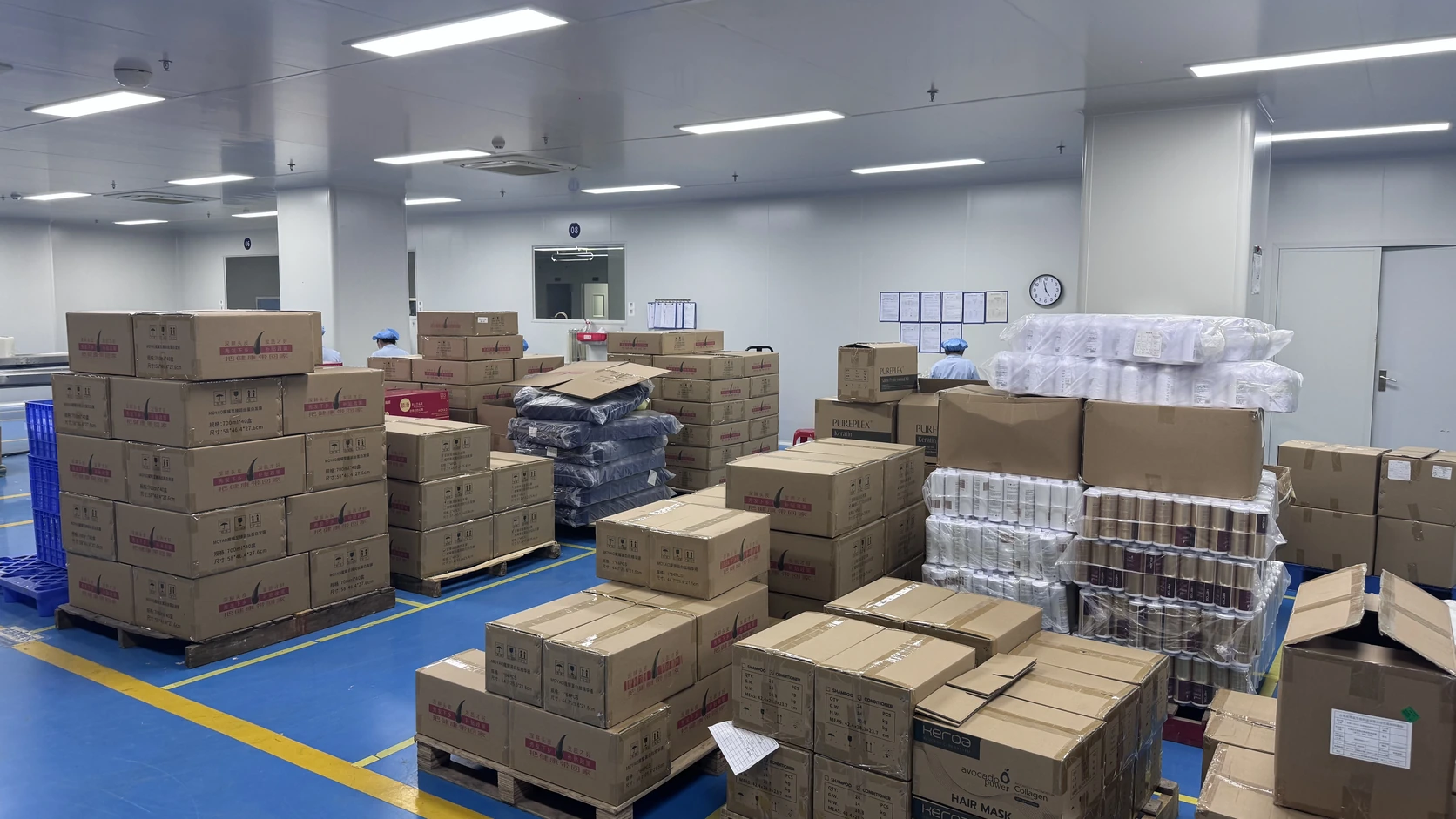
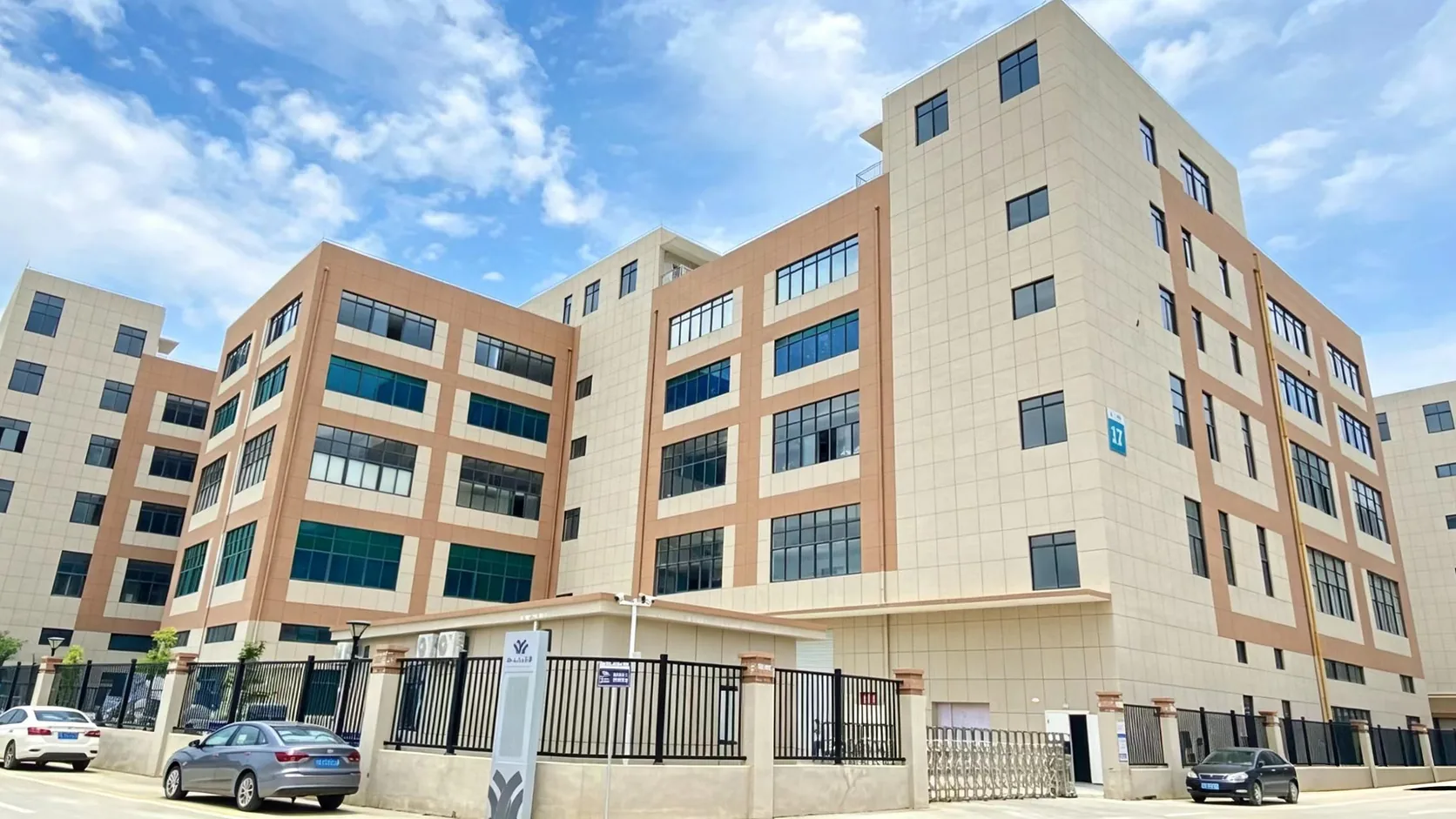
BODA manufactures shampoo and other professional hair products at its Yingde, Guangdong facility. A project can begin with an available formula, customer specification, benchmark, or new concept. Published starting points are typically 500 pieces for private label and 1,000 for custom formulations. Buyers can view BODA’s current shampoo and conditioner product range when planning a single product or matched line.
BODA suits salon ranges, distributor programs, matched shampoo-and-conditioner lines, and buyers comparing private label shampoo manufacturers in China. Its published process covers sampling, packaging approval, production, inspection, production records, and retained samples.
Choose another candidate for initial testing if the project requires fewer than 500 finished units.
Hello Lab — Best for Brief-Led Custom Development
Hello Lab structures development around the product brief, formulation, sample evaluation, optimization, and production. Ready-to-use formulas start at 3,000 units and custom formulas at 5,000 units per SKU, subject to packaging.
The process suits brands that already have a defined consumer, benchmark, performance target, destination market, and packaging direction. Ask the supplier to identify the contracting entity, manufacturing site, current certificates, test reports, and formula-rights terms in its RFQ response.
It is not designed for a micro-launch below its published ready-formula threshold.
HSA Cosmetics — Best for Scaled European Full-Service Programs
HSA Cosmetics manufactures private label hair care in Italy through ready-to-go bases and fully custom development. Published thresholds of 500 kg per formula for bulk hair care and commonly 5,000 finished units place it in the scaled-program category.
HSA fits established brands looking for formulation, packaging, labeling, and European manufacturing support. Review the selected formula’s testing, certificate scope, rights, documentation, and final production schedule as one project package.
It is a poor fit for early demand testing when the brand needs only dozens or a few hundred units.
Choose the Formula Route Before Comparing MOQ
| Formula route | Best when | Typical project trade-off | Testing and rights questions |
|---|---|---|---|
| Ready-made or stock | You need a faster, lower-risk launch | Lower entry point with limited differentiation | Can other brands buy it, what may be changed, and which existing tests apply? |
| Semi-custom | You want moderate differentiation | Adjustments may increase MOQ, timing, and retesting | Which changes require new testing, and do they create exclusivity? |
| Fully custom | You have a clear brief and differentiation strategy | More development, testing, scale-up work, and contract detail | Who owns the formula, data, and specifications, and can they be transferred? |
A low-MOQ stock product and a fully custom shampoo address different business needs. Choose the route first, then compare manufacturers that work within it.
How to Turn a Manufacturer List into a Qualified Shortlist
1. Send Every Candidate the Same Shampoo Brief
Include the target user, hair or scalp concern, benchmark, performance requirements, ingredient preferences, fragrance, viscosity, foam, rinse feel, fill size, packaging, market, units per SKU, landed-cost target, and launch date.
Send the same completed RFQ brief to every candidate. This produces comparable quotations and gives early-stage buyers a practical next step even when BODA is not the right MOQ fit.
Not ready to complete the template? Send BODA a one-line brief—product type, market, and approximate quantity—and the team can return the full information checklist.
2. Normalize MOQ and Total Launch Cost
Ask whether each minimum applies per formula, SKU, component, or order. Price development, samples, testing, bottles, closures, printing, cartons, filling, freight, duty, and reorder quantities separately.
Treat packaging as a separate supply chain. Record whether the pack is stock, factory-sourced, customer-supplied, custom-colored, printed, or molded. Then confirm the component MOQ, compatibility testing, ownership of unused components, storage fees, and effect on reorders.
3. Confirm Formula and Document Rights
The manufacturing agreement should record ownership, exclusivity, confidentiality, access to specifications and test data, termination terms, and transfer rights.
4. Connect the Approved Sample to Production
Convert the final sample into a written standard covering appearance, odor, viscosity, foam, rinse, hair feel, packaging compatibility, and release checks. For a new water-based formula, define the required stability, microbiological, preservative-efficacy, and compatibility work before production.
Document the approved revision, technical records, packaging review, bulk confirmation, and change-control requirements in the sample acceptance record.
5. Confirm Market and Reorder Responsibilities
For the United States: the company named on the label may be the MoCRA “responsible person,” and product listing is not FDA approval. Retail shampoo must follow applicable labeling rules, including ingredient declaration and net quantity. Claims also affect classification: a cleansing shampoo is a cosmetic, while an anti-dandruff product may also be a drug. Use current FDA registration and listing information and cosmetic labeling requirements when assigning responsibilities.
For the European Union: define the responsible person, safety file, and CPNP notification plan before production.
For either market, request a milestone schedule covering brief review, samples, revisions, testing, component arrival, production, release, shipping, and reorder. Record the project contact, expected response time, delay-notice process, reorder MOQ, raw-material substitutions, packaging continuity, retained samples, and available capacity. Keep the three to five manufacturers that answer these questions clearly and in writing.
Frequently Asked Questions
What is a realistic MOQ for private label shampoo?
It depends on the route. In this shortlist, some ready-label programs start at 36–50 finished units. Mid-volume projects range from 500–1,000 pieces, many custom routes start at 3,000–5,000 pieces, and scaled bulk may begin at 500 kg. Packaging can carry a separate minimum.
Who owns a custom shampoo formula?
The development agreement decides. A stock formula usually remains in the manufacturer’s library. A buyer-supplied formula can remain confidential, while a newly developed formula may be licensed, made exclusive, or transferred depending on the contract and development fee.
How long does private label shampoo manufacturing take?
The published timelines range from short ready-product fulfillment to around 8 weeks for some stock programs and up to 24 weeks for custom development. Compare every schedule from the same milestone: formula and packaging approval, followed by production, release, and shipping.
Can I use my own shampoo bottles?
Often, yes. RainShadow and BODA, for example, describe compatibility reviews for buyer-supplied components. Submit bottle and closure samples, dimensions, decoration details, and required quantities before approval. A failed pump or leaking closure can delay an otherwise finished formula.
Is manufacturing shampoo in China always cheaper than in the US?
Not always. A China quote may offer attractive manufacturing economics at 500–1,000 pieces, while a US ready-label supplier may reduce freight and inventory exposure at 36–50 units. Compare landed cost, duty, inspection, payment terms, revision costs, and reorder timing.
Can one manufacturer produce both shampoo and conditioner?
Many can, including BODA, RainShadow, HSA, and other full-range hair care manufacturers. Each product still has a separate formula, test plan, packaging requirement, and MOQ. Planning both products in one brief helps align fragrance, feel, claims, design, and launch timing.
How can I tell a manufacturer from a broker or reseller?
Check the legal name, factory address, manufacturing license or quality certificate, production scope, batch records, and party responsible for release. A broker may still add sourcing value, but the quotation should identify the actual factory and divide responsibilities clearly.
Build the Shortlist Around Your Project
The best private label shampoo manufacturer is the one whose documented capabilities fit your formula route, order volume, packaging, market, timeline, and growth plan. Use one consistent brief, compare complete costs, and verify formula rights and production controls.
For buyers evaluating BODA, review the private label shampoo range, OEM and sample process, and manufacturing and certification overview. BODA publishes a 20,000+ m² manufacturing site and ISO 22716 certification details. Its OEM page also explains sample charges, normal revision rounds, customer-supplied packaging review, and planning timelines.
Send BODA a complete project brief, or start with one sentence covering the shampoo type, destination market, and approximate quantity. The team can respond with the remaining questions needed for a project-specific MOQ, sample plan, testing scope, timeline, and document list.