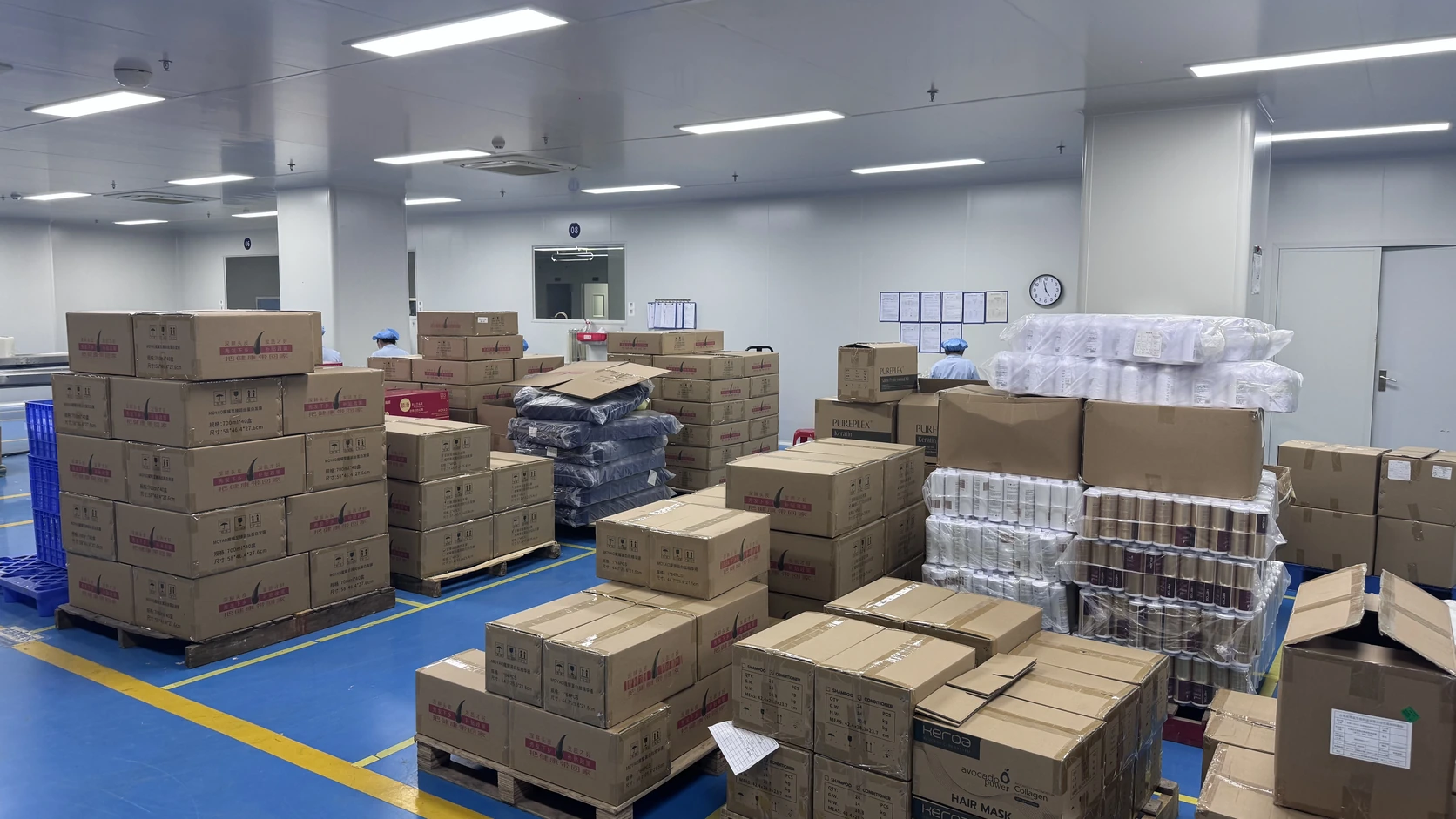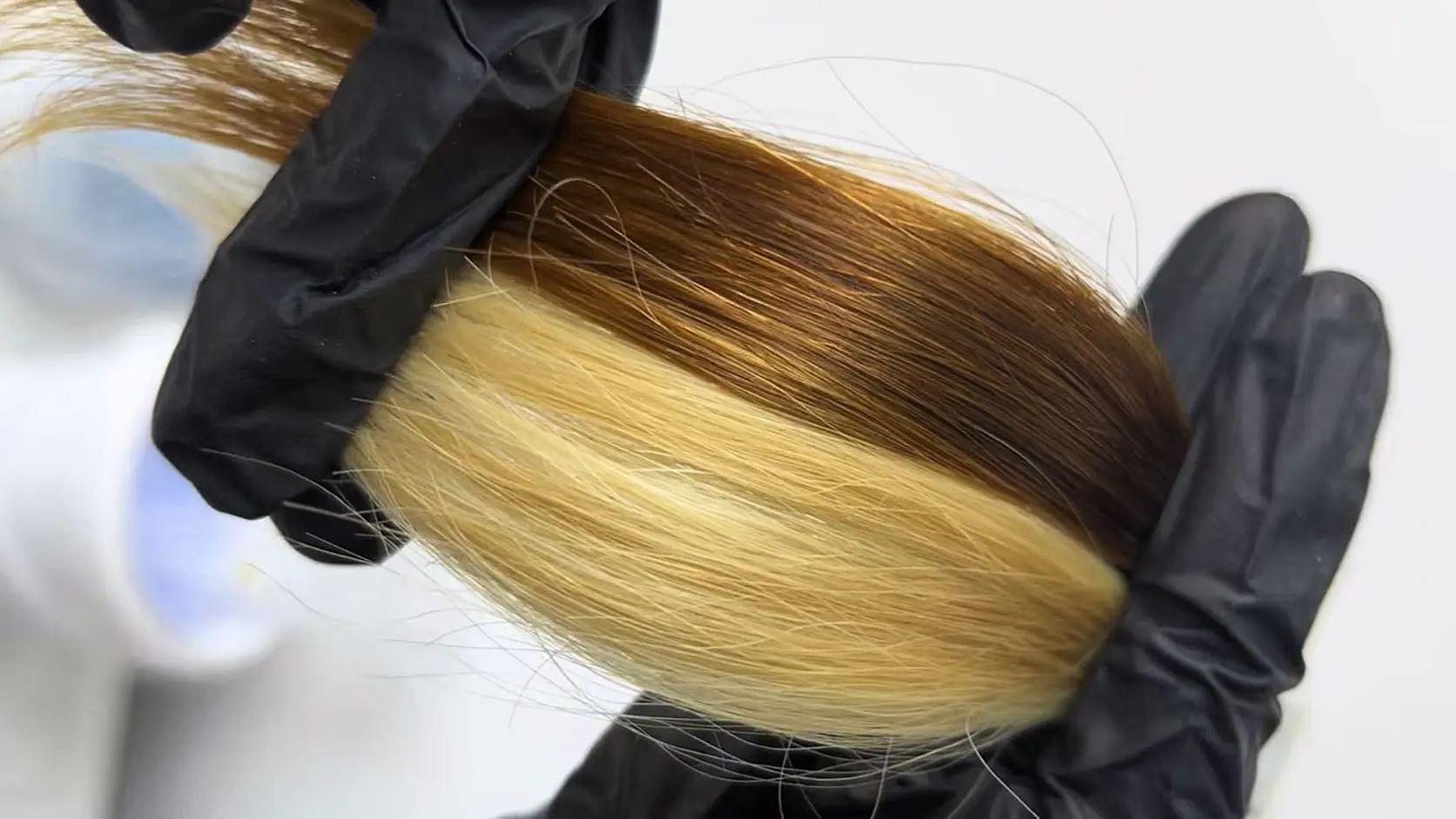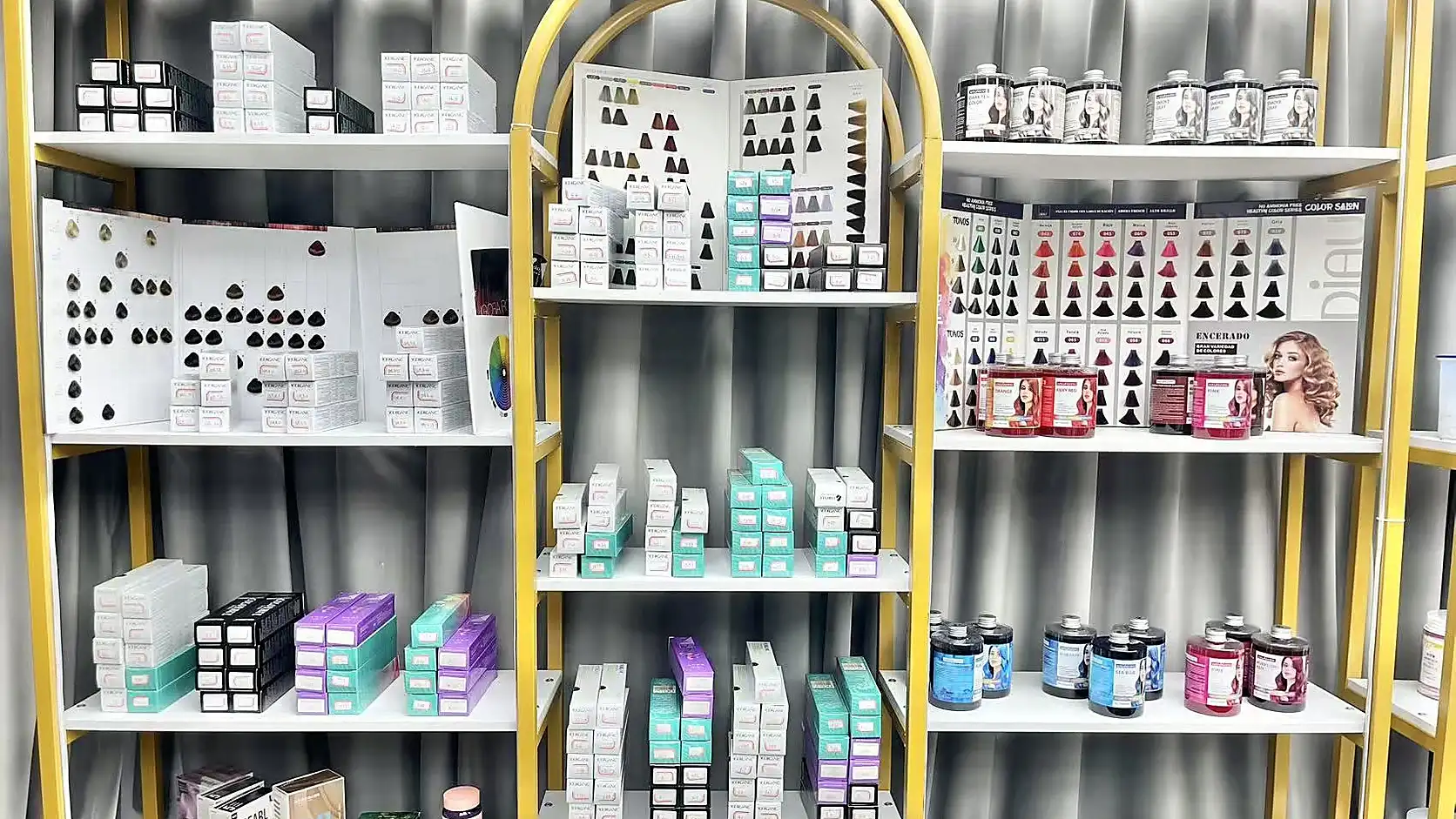
The best private label hair serum manufacturers serve distinct project types. Lightweight finishing serums, oil-serums, cosmetic scalp serums, and hair-loss treatments each call for different formulas, filling systems, tests, documents, and claims. The eight manufacturers below are compared by published serum capability, formula route, MOQ basis, packaging support, and project fit. Commercial details absent from the source page are marked Not publicly stated.
Disclosure: BODA publishes this guide and is included in the comparison. Every company was reviewed against the same public-evidence criteria. The order reflects project fit rather than an absolute quality ranking. Company information was reviewed in November 2026.
Quick Picks by Project Need
| Project need | Shortlist direction | Why it fits |
|---|---|---|
| Natural oils, tonics, or a staged bulk-to-filled launch | RainShadow Labs | Stock, semi-custom, and full-custom routes |
| Ready-formula scalp serum from 500 units | ORIZI Group | Published scalp-dropper concept and entry point |
| Low-entry ready-made scalp and hair products | Aurora Global Brands | Roll-on, peptide serum, oils, and samples |
| Larger U.S. custom program | ALFA MFG | Published serum formats and volume tiers |
| China-based custom serum development | Xiran | Formula, packaging, samples, and document support |
| Scalp, oil-serum, smoothing, or custom liquid hair care | BODA | Hair-care OEM/ODM, filling, packaging, and serum experience |
| Broad export-oriented serum range | BO International | Multiple serum directions and turnkey support |
| Brief-led finishing-serum development | GZ OEM COSMETICS | Clear brief, sample, packaging, and document pathway |
What Type of Hair Serum Are You Manufacturing?
“Hair serum” covers several product formats, each with different development and production requirements. Set the use, application area, and claim before issuing an RFQ.
| Product type | Typical use | Common pack | Capability to check |
|---|---|---|---|
| Hair-shaft finishing serum | Shine, smoothness, frizz control, styling finish | Pump, dropper, small bottle | Sensory control, viscosity, oil or silicone handling, pack compatibility |
| Oil-serum | Nourishment, shine, scalp or strand application | Dropper, pump, nozzle | Oxidation control, fragrance, oil-compatible components |
| Cosmetic scalp serum | Hydration, comfort, oil balance, fuller-looking hair | Dropper, nozzle, roll-on, spray | Preservation, scalp-use safety, compatibility, market documents |
| Growth-positioned cosmetic serum | Density or stronger-looking-hair positioning | Dropper, roll-on, spray | Active evidence, claim wording, finished-product support |
| Regulated hair-loss treatment | Treatment claims or drug active | Market-specific drug packaging | Drug pathway, facility status, testing, and registration support |
In the United States, intended use determines whether a product is a cosmetic or a drug. The FDA specifically identifies “restore hair growth” as a claim that can establish drug use. Manufacturing a regulated hair-loss treatment requires capabilities beyond those of a cosmetic private label hair growth serum manufacturer. Define the product and claim before comparing suppliers. (FDA)
Best Private Label Hair Serum Manufacturers Compared
| Manufacturer | Manufacturing base and evidence | Serum type and route | Published entry or MOQ basis | Samples, testing, and timing signals | Best fit | Main point to confirm |
|---|---|---|---|---|---|---|
| RainShadow Labs | Direct manufacturing lab; Oregon, USA | Oils, tonic, treatments; stock, semi-custom, custom | Stock bulk: no minimum; filled: 10 gal; custom: 25 gal | 2 oz samples; bulk and post-approval filled timing published | Natural oil and tonic programs | Finished-unit yield and packaging scope |
| ORIZI Group | Company-stated ISO 22716 manufacturing; Malaysia | Cosmetic scalp serum; ready formula with adjustments | From 500 units | Stability, microbial/challenge, and claim-plan language; schedule not stated | Dropper scalp-serum launch | Final pack MOQ, certificate scope, and claims |
| Aurora Global Brands | Company-stated private label and OEM/ODM; USA | Roll-on, peptide serum, oils; ready and semi-custom | Category-level low MOQ; SKU terms not stated | Samples offered; SKU test scope and timing not stated | Small ready-made product tests | Exact SKU MOQ, tests, and timeline |
| ALFA MFG | Company-stated Miami manufacturer under ISO 22716 GMP; USA | Moisturizing finisher; customized manufacturing | From 2,500 units | Samples to approval; production timing not stated | Larger U.S. programs | Tests and components included in quote |
| Xiran | Dedicated factory and serum service pages; China | Cosmetic hair and scalp serums; private label and custom | Not publicly stated | Samples and document support; project schedule quoted | Custom serum and packaging development | Legal entity, rights, tests, and MOQ |
| BODA | Direct manufacturer with cosmetics manufacturing license; Guangdong, China | Scalp serum and lightweight oil; private label, OEM, ODM, custom | Typical service entry: 500 private label; 1,000 custom; SKU MOQ varies | Samples and 1–2 normal revision rounds; 6–12 weeks private label, 12–24 weeks custom planning range | Scalp, oil-serum, smoothing, and custom liquid projects | SKU scope, claim, pack, and test plan |
| BO International | Company-stated contract manufacturer; India | Argan, almond, onion, and other serums; private label and custom | Not publicly stated | Testing files and project timing not stated | Broad export-oriented serum range | Manufacturing entity, test files, and formula terms |
| GZ OEM COSMETICS | Serum-development service page; China | Brief-led finishing serum; project development | Not publicly stated | Sample and document pathway; schedule not stated | Defined sensory and packaging briefs | Legal entity, MOQ, tests, fee, and timing |
Manufacturer Profiles
1. RainShadow Labs — Best for Natural Oils, Tonics, and Staged U.S. Launches
RainShadow Labs lists a hair protectant, repairing oil, tonic, and hot-oil treatment. Its routes progress from stock bulk with no minimum to filled production from 10 gallons and custom formulation from 25 gallons. The company also publishes a 2 oz sample option and development fees.
Best fit: natural oil and tonic brands moving from bulk to packaged production. Look elsewhere if: the brief calls for a turnkey, low-unit peptide scalp serum. Confirm: finished-unit yield, packaging responsibility, timing, and tests.
2. ORIZI Group — Best for a 500-Unit Scalp-Serum Concept
ORIZI Group presents a 50–80 ml dropper scalp-serum concept from 500 units. The published scope covers formula adjustments, packaging, stability, microbial or challenge testing, and claim planning. The company also states ISO 22716 manufacturing and JAKIM Halal credentials in Malaysia.
Best fit: an active-led cosmetic scalp serum. Look elsewhere if: the project is a simple finishing product or a regulated treatment. Confirm: certificate scope, pack minimum, test plan, and supported claims.
3. Aurora Global Brands — Best for Accessible Ready-Made Options
Aurora Global Brands shows a Hair Growth Serum Roll-on, Multi Peptide Hair Serum, and several oils. Available routes include samples, standard packaging, private label, semi-custom, and OEM/ODM.
Best fit: brands testing ready-made roll-on, peptide-serum, or oil formats. Look elsewhere if: the launch depends on an exclusive active system. Confirm: SKU-level MOQ, timing, allowed changes, and documents.
4. ALFA MFG — Best for a Larger U.S. Finishing-Serum Program
ALFA MFG offers a moisturizing serum in 0.5 oz, 1 oz, and 2 oz formats. Volume tiers start at 2,500 units, with stronger unit economics indicated from 5,000 units. Customization covers the base, active levels, fragrance, positioning, and claims. The company states that manufacturing takes place in Miami under ISO 22716 GMP standards.
Best fit: a U.S.-made moisturizing or finishing serum. Look elsewhere if: the planned run falls below 2,500 units. Confirm: samples, tests, packaging, and included adjustments.
5. Xiran — Best for China-Based Custom Serum and Packaging Development
Xiran covers formula development, ingredient restrictions, samples, packaging, production, and documents on its dedicated serum page. The service scope includes scalp and active-led concepts, along with bottle, printing, and design coordination.
Best fit: custom serum and packaging coordination for export. Look elsewhere if: the project requires domestic manufacturing. Confirm: legal entities, certificate scope, MOQ, rights, tests, and market documents.
6. BODA — Best for Scalp, Oil-Serum, and Custom Liquid Hair Care
BODA provides private label, OEM, ODM, formulation, filling, packaging, inspection, and retained-sample services. The range includes a Scalp Balancing Serum and Lightweight Hair Oil. Typical service entry starts at 500 pieces for private label and 1,000 for custom development; the selected SKU and pack determine the final MOQ.
Best fit: cosmetic scalp, oil-serum, smoothing, and liquid hair-care projects. Look elsewhere if: the brief requires a documented minoxidil or drug program. Confirm: claim, market, pack, quantity, and tests.
BODA’s entry includes more first-party detail because BODA publishes this guide.
7. BO International — Best for a Broad Export-Oriented Serum Range
BO International presents argan, almond, onion, dandruff-control, non-sticky, and other serum directions. Its service scope also covers formulation, packaging, contract manufacturing, and export support.
Best fit: a broad export serum range. Look elsewhere if: the sourcing brief requires a published low-MOQ or clinical-claims package. Confirm: manufacturing entity, certificates, MOQ, tests, rights, and quoted scope.
8. GZ OEM COSMETICS — Best for Brief-Led Finishing-Serum Development
GZ OEM COSMETICS presents serum as a development route rather than a fixed SKU. The process starts with the use moment, benchmark, sensory direction, pack, quantity, and market before moving into formula work, samples, and documents.
Best fit: a clear finishing-serum brief. Look elsewhere if: the sourcing process requires a published price, MOQ, and date before project review. Confirm: fee, MOQ, revisions, tests, documents, and schedule.
How We Selected These Manufacturers
Each private label hair serum manufacturer had to meet the following conditions:
- Its official site states private label, OEM, ODM, or contract-manufacturing services.
- It shows a serum, scalp serum, oil-serum, related leave-on product, or serum-development route.
- A company, production location, or official contact path can be identified.
- The site publishes at least two useful sourcing fields, such as MOQ, samples, formula route, packaging, testing, quality controls, documents, or process.
- Company facts come from official pages rather than directory listings alone.
The shortlist excludes consumer brands without manufacturing evidence, packaging-only suppliers, and general hair-care companies without serum-specific evidence. Public pages support the initial screening, while the signed quotation defines the final scope. This step-by-step guide to choosing a hair care manufacturer for a custom serum project covers the broader qualification process.
How to Choose the Right Hair Serum Manufacturing Route
Formula differentiation and the development capacity of the first order determine the right route. A custom hair serum manufacturer should define how “custom” affects the formula, testing, MOQ, rights, and schedule.
| Route | Best when | Main trade-off | Confirm before paying |
|---|---|---|---|
| Stock/private label | Speed and lower entry risk matter most | Shared base and limited differentiation | Allowed changes, test package, formula-use terms |
| Semi-custom | A proven base needs sensory or active adjustments | Changes can raise MOQ and testing needs | Revision fees, new tests, and exclusivity |
| Fully custom | Formula and claim are central to the brand | More development time and a higher commercial minimum | Ownership, transfer, test plan, production MOQ |
| Buyer-owned formula | The brand controls a production-ready formula | Scale-up and transfer work are still required | Instructions, raw materials, validation, IP handling |
A stock formula vs custom hair serum comparison covers total development cost, testing, packaging minimums, timeline, rights, and reorder terms alongside unit price.
Five Checks Before You Request Samples
1. Normalize the MOQ
Establish whether the minimum applies to bulk serum, finished units, each formula, each SKU, or each packaging component. A low MOQ private label hair serum can carry a higher minimum for the bottle, dropper, label, or carton.
Compare total launch cost with the quoted unit price. Include development, samples and revisions, testing, bottles and closures, decoration, filling loss, cartons, freight, duty, import charges, inventory, and working capital. The complete OEM hair care manufacturing cost beyond the quoted unit price provides a line-level calculation framework.
2. Match the Formula to the Claim
Set the claim route as cosmetic appearance support, ingredient-led positioning, a quantified finished-product claim, or a regulated treatment. That choice determines the evidence, testing, and label-review scope.
3. Treat the Package as Part of the Product
Specify the dropper, pump, roll-on, spray, neck size, dose, and sealing method. Private label hair serum packaging requires formula compatibility testing and a confirmed fit with the filling line, intended dose, and application method.
4. Connect the Approved Sample to Production
Record the approved sample code, specification, formula version, fragrance, color, viscosity range, and packaging combination. The order documents should also cover bulk confirmation, batch release, retained samples, and change control.
Measure hair serum manufacturing lead time against the same milestones: brief acceptance, sample rounds, testing, component arrival, production after approval, release, and freight. The project file should name the contact and include a written revision log, open-issue list, status cadence, and delay-notice process.
5. Put Rights and Deliverables in Writing
The agreement should state hair serum formula ownership or license, exclusivity, transfer terms, included tests, technical files, label support, payment milestones, and target-market responsibilities. It should also cover scale-up capacity, reorder MOQ and lead time, critical raw-material substitutions, packaging continuity, and change approval. Formula ownership follows the agreement rather than the development fee alone.
RFQ Brief for Comparable Quotes
Use the same brief for every candidate:
- Product type and application area
- Benchmark and sensory target
- Target claim and destination market
- Stock, semi-custom, custom, or buyer-owned formula route
- Key actives and ingredient restrictions
- Fill size and packaging format
- Initial quantity and expected reorder volume
- Target launch date, production milestones, and price position
- Required tests and documents
- Itemized development, sample, testing, packaging, production, and logistics costs
- Project contact, revision process, reorder MOQ, and scale-up requirement
If BODA fits your scalp-serum, oil-serum, smoothing-serum, or custom liquid hair-care project, send this brief for an initial feasibility review. If the brief is not ready, start with the serum type, market, quantity, and packaging format.
Frequently Asked Questions
What is the MOQ for private label hair serum?
MOQ follows the batch size, formula route, fill size, number of SKUs, and packaging format. The examples here range from a 500-unit scalp-serum concept to gallon-based programs and 2,500-unit U.S. production. Obtain separate minimums for the formula, bottle, closure, label, and carton.
Who owns a custom hair serum formula?
Formula rights follow the service agreement. Stock formulas normally remain in the manufacturer’s library, while a buyer-owned formula can remain confidential property. A new formula can be licensed, made exclusive, or transferred. The agreement should define access to manufacturing instructions and test data alongside ownership.
Can I use my own bottle, dropper, pump, or roll-on?
Yes, once the manufacturer approves the component for the formula and filling line. Provide dimensions, drawings, material, dose, seal, supplier, and timing. The supply agreement should assign responsibility for compatibility, incoming inspection, filling loss, defects, and replacement stock.
What tests does a private label hair serum need?
The formula and destination market set the test plan. Common work includes stability, microbiological limits, preservative efficacy for preserved systems, packaging compatibility, safety assessment, batch release, and claim support. Oil-only and water-based serums follow different plans.
How long does private label hair serum manufacturing take?
Compare schedules from a common starting point. The full timeline covers brief review, samples and revisions, testing, packaging procurement, production after approval, release, and freight. Ready formulas with stock packaging pass through fewer stages than custom formulas or custom components. Record every milestone and its owner in the quotation.
Can a cosmetic hair serum make hair-growth claims?
Claims must align with the evidence and market pathway. Cosmetic language about fuller-looking hair differs from claims to treat hair loss or restore growth. In the U.S., a restore-hair-growth claim can establish drug use, which sets corresponding requirements for the formula, facility, and label.
How do I know a supplier is the actual manufacturer?
Cross-check the legal entity and factory address across the quotation, certificate, bank beneficiary, sample files, and production records. The supplier record should identify subcontracted work and name the parties that manufacture, test, release, and ship the serum.
Build a Shortlist Around the Product
The best private label hair serum manufacturers are those whose capabilities match the defined serum type and claim. Compare formula route, complete MOQ, packaging, testing, rights, and supply continuity to narrow the field to three to five qualified companies. Comparable samples and written commercial terms then support the final sourcing decision. For a BODA project, send the serum type, destination market, quantity, and packaging format to begin the feasibility review.